As we approach 2026, the quest for optimal health continues to drive interest in nutrition. Many seek ways to enhance their well-being. A pivotal question arises: what food supplements boost immune system function? Understanding immune health is important for everyone, especially during cold and flu seasons.
Research indicates several food supplements can play a crucial role. Vitamin C and zinc are often noted for their immune-boosting properties. Probiotics, found in fermented foods, also support gut health, a cornerstone of immune function. Yet, sourcing reputable supplements can be challenging. Not all products provide the benefits they promise.
Choosing the right supplement is a personal journey. Individual needs vary, and what works for one may not work for another. It's essential to consult with a healthcare professional before starting any new regimen. This ensures alignment with personal health goals. Ultimately, making informed choices about food supplements is a key step toward a healthier future.
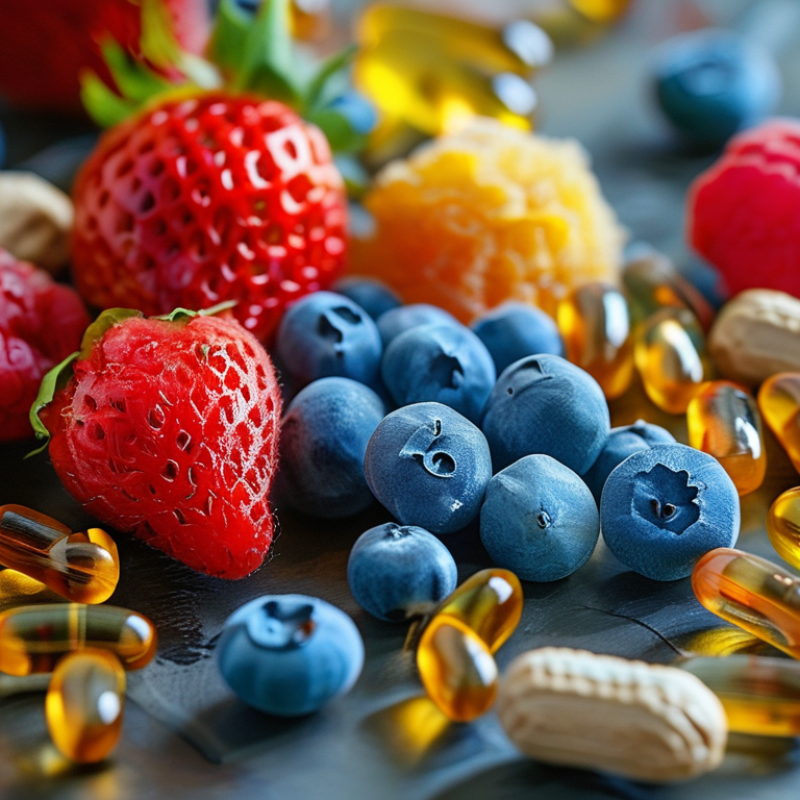
The immune system plays a crucial role in our overall health. It acts as the body’s defense against illnesses and infections. In 2026, understanding how to support this system is more important than ever. With the world evolving, new pathogens emerge frequently, challenging our immune response.
Several factors can impact immune health. Stress, diet, and lifestyle choices all contribute significantly. For instance, a diet lacking in essential nutrients may weaken immune functions. Conversely, foods rich in vitamins and minerals can enhance your body’s ability to fight off illness. It’s often difficult to maintain a balanced diet, and many struggle to eat enough fruits and vegetables.
As we look ahead, the relationship between our choices and immune system health becomes vital. While supplements offer a convenient boost, they are not a replacement for whole foods. It's essential to reflect on personal habits and seek ways to improve them. Small changes can lead to significant benefits. Being proactive about immune health is key to thriving amidst future challenges.
In 2026, the pursuit of optimal immune health remains a priority. Key nutritional components play a critical role in supporting our immune system. Vitamins like C and D are essential. According to a study published in the Journal of Immunology, vitamin C can enhance immune cell function. It neutralizes free radicals and stimulates the production of antibodies. A daily intake of 500 mg is often recommended for adults.
Minerals are equally important. Zinc is crucial for immune function. Research from the National Institutes of Health shows it's involved in the development of immune cells. A deficiency in zinc can lead to increased susceptibility to infections. Sources include beans, nuts, and whole grains.
Probiotics are another vital component. These beneficial bacteria help maintain gut health, which is closely linked to immunity. A recent report by the American Gut Project indicates that a diverse microbiome may enhance immune responses. Incorporating foods like yogurt or fermented vegetables can help support this diversity. However, individual responses to these components can differ, underscoring the importance of personalized nutrition. Understanding these nuances is essential for effective immune support.
When considering immune support, certain food supplements stand out. Vitamin C is well-known for its role in health. It helps stimulate the production of white blood cells, essential for fighting infections. Foods like oranges, strawberries, and bell peppers are rich in this vitamin. You might want to incorporate these into your daily diet.
Zinc is another vital mineral for the immune system. It aids in cell function and plays a crucial role in how the body responds to illness. Foods such as nuts, seeds, and legumes offer a great source of zinc. However, relying solely on food may not suffice for some people. Supplementation could be necessary, especially during flu season.
Probiotics also deserve attention. They support gut health and enhance immune response. Fermented foods like yogurt and kefir are beneficial. Yet, the efficacy of probiotics can vary widely among individuals. Some may find relief, while others might not notice significant changes. This variability calls for more personal reflection on individual dietary needs.
As we look towards 2026, the landscape of immune-boosting supplements is evolving. Consumers are increasingly interested in natural options. Herbs like elderberry and astragalus are gaining traction for their unique properties. Such ingredients offer potential health benefits and are often backed by traditional wisdom. Many people are drawn to these alternatives in light of recent health challenges.
Another trend is the focus on personalized nutrition. More individuals are seeking supplements tailored to their specific needs. This shift encourages consultation with healthcare professionals. They emphasize understanding one’s unique health profile to maximize benefits. However, there is a risk in self-diagnosing and choosing supplements without guidance. It’s essential to critically evaluate claims made by supplement companies.
There’s also a growing interest in vegan and plant-based formulations. More consumers prefer supplements free from animal products. This aligns with a broader trend towards sustainability and ethical consumption. Nonetheless, the effectiveness of some plant-based supplements remains a concern for many. Not every herb or plant has strong scientific backing. It’s vital for consumers to conduct thorough research before making choices.
To effectively incorporate immune supplements into your diet, focus on balance. Start by integrating foods rich in vitamins and minerals. Consider adding leafy greens, citrus fruits, and nuts to your meals. These foods provide essential nutrients to support your immune system.
Tips: Try incorporating a variety of colors on your plate. Different colors often signify different nutrients. Don't just stick to one type of vegetable. Variety helps ensure a broader nutrient intake.
Combining supplements with wholesome meals can enhance their benefits. For instance, taking a vitamin C supplement alongside a meal rich in protein can improve absorption. Cooking methods also matter. Steaming vegetables preserves more nutrients than boiling.
Tips: Listen to your body's responses. Everyone reacts differently to supplements. Keep a food diary to track how you feel after meals that include these supplements. Adjust as necessary, and be mindful of any adverse effects.
: The immune system defends against illnesses and infections. It plays a crucial role in maintaining overall health.
Stress, diet, and lifestyle choices significantly affect immune health. Poor nutrition can weaken immune functions.
Include more fruits, vegetables, nuts, and whole grains in your meals. Nutrient-rich foods enhance immune response.
Supplements can boost immunity but should not replace whole foods. Whole foods offer a variety of essential nutrients.
Vitamins C and D are essential for enhancing immune functions. They support immune cell activity and antibody production.
Zinc is crucial for immune cell development. A deficiency can increase infection risk, so include zinc-rich foods in your diet.
Probiotics maintain gut health, which enhances immune responses. Foods like yogurt and fermented vegetables are beneficial.
Combine supplements with nutrient-rich meals for better absorption. Keep a food diary to track effects and adjust as needed.
Different colored foods provide various nutrients. A diverse diet helps ensure a broader nutrient intake, supporting immune health.
Pay attention to how you feel after meals. Adjust your intake based on your body's reactions and any adverse effects observed.
In 2026, understanding the immune system and its vital role in maintaining health is more crucial than ever. The immune system acts as the body’s defense mechanism against infections and diseases, making it essential to support its function through proper nutrition. Key nutritional components such as vitamins, minerals, and antioxidants play a significant role in bolstering immune health. Among these, certain food supplements are particularly effective in enhancing immune system function, with options like vitamin C, vitamin D, zinc, and probiotics becoming increasingly popular.
Emerging trends in immune-boosting supplements indicate a growing interest in natural sources and holistic approaches to wellness. To effectively incorporate these immune supplements into your diet, consider combining them with a balanced meal plan rich in fruits, vegetables, and whole foods. Ultimately, knowing what food supplements boost immune system function can empower individuals to take proactive steps in supporting their overall health and resilience in today’s ever-changing environment.

Kawsana Health