Creating natural skincare products can be both exciting and challenging. It requires a deep understanding of ingredients and formulation techniques. According to expert skin care chemist, Dr. Sarah Johnson, “Formulating natural skincare is an art that requires precision and intuition.” This quote encapsulates the essence of the journey to learn how to formulate a natural skincare product.
When you're starting, choosing the right ingredients is crucial. Not all natural ingredients work well together. You might face trial and error in formulating. Sometimes, a batch might not turn out as expected, causing frustration. However, these experiences are valuable lessons. Each misstep brings you closer to understanding your materials and their interactions.
In this guide, you will find the top ten tips for a successful formulation. These tips will help you avoid common pitfalls and enhance your product's efficacy. With careful attention to detail, you can create safe and effective skincare solutions that truly resonate with customers. Embrace the challenges of formulation, and remember, it's a continuous learning process.
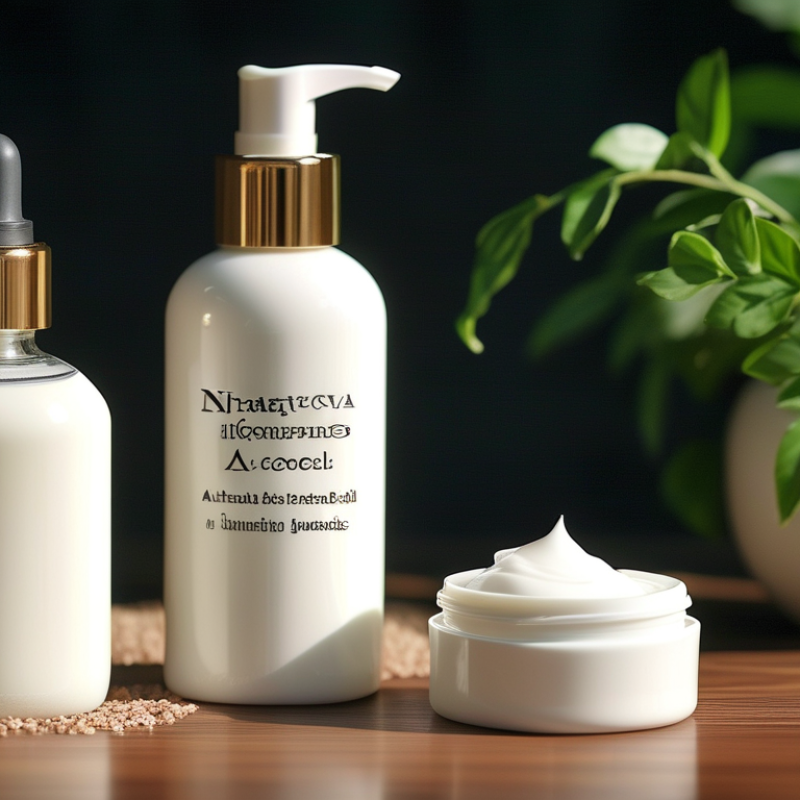
When it comes to skincare, the importance of natural ingredients cannot be overstated. Natural ingredients are often gentler on the skin. They reduce the risk of irritation and allergic reactions. Many synthetic products can contain harsh chemicals that may harm your skin over time. In contrast, natural components like shea butter, aloe vera, and essential oils provide nourishment and hydration.
Choosing natural ingredients is also better for the environment. Synthetic materials often contribute to pollution and waste. Natural products, on the other hand, typically have a lower environmental impact. However, sourcing these ingredients poses challenges. Not every natural ingredient is effective for all skin types. Some people may experience breakouts or irritations from so-called 'natural' products.
Formulating a skincare product requires careful consideration. Understanding your skin type is crucial. Test different natural ingredients to find the best match for your skin. This trial and error can be frustrating but is essential for creating effective products. The journey of creating your own skincare can be rewarding, yet it demands patience and attention to detail.
: Natural ingredients are gentler on the skin and reduce irritation risks. They provide nourishment and hydration without harsh chemicals.
Natural products generally have a lower environmental impact. They help reduce pollution and waste compared to synthetic materials.
Not every natural ingredient suits all skin types. Some may still cause breakouts or irritations despite being labeled as 'natural'.
Test different natural ingredients. Understanding your skin type is crucial for finding the best match. This process can be frustrating.
Each oil and butter has unique properties. They influence the product's texture and absorption, affecting overall effectiveness.
Always conduct patch tests before using new ingredients. Reactions can be unpredictable, even with natural products.
Essential oils can soothe inflammation and provide antioxidant properties. They add unique benefits but must be handled carefully.
A good rule is to use a 1% concentration for skin applications. Dilute oils properly to avoid irritation.
Keep detailed records of your formulations. This helps you learn from mistakes and refine your approaches.
Nature can be unpredictable. Stay open to adjustments as you create your skincare solutions. Each attempt is a learning opportunity.
The article "Top 10 Tips for Formulating Natural Skincare Products" emphasizes the significance of using natural ingredients to create effective skincare solutions. It highlights key considerations for selecting appropriate base oils and butters, which form the foundation of the products. Additionally, the importance of essential oils is discussed, focusing on their benefits and safe incorporation into formulations.
Moreover, the article outlines best practices for testing and preserving natural skincare products to ensure quality and longevity. Lastly, effective packaging and labeling strategies are crucial for appealing to consumers and conveying the product's natural benefits. By following these guidelines, readers will gain valuable insight on how to formulate a natural skincare product that is both safe and effective.

 Kawsana Health