In the pharmaceutical industry, understanding "what is the difference between API and raw material" is crucial. Dr. Emily Sawyer, a leading pharmaceutical expert, explains, "APIs are active components, while raw materials are the building blocks." This distinction is fundamental for anyone involved in drug development or manufacturing.
APIs, or Active Pharmaceutical Ingredients, are the substances that bring the intended therapeutic effect. They are meticulously developed to ensure safety and efficacy. Raw materials, on the other hand, include excipients and additives that aid in drug formulation. These materials are essential yet often overlooked. Without high-quality raw materials, the effectiveness of APIs can diminish, impacting overall product quality.
Navigating this landscape requires careful attention to detail. Professionals must assess both components in relation to regulatory standards. The focus on quality must remain paramount. While one can master the technicalities, continual learning is essential for growth. Indeed, the nuances between APIs and raw materials can be complex and warrant further exploration. Understanding these differences is not just beneficial; it is critical for ensuring successful outcomes in pharmaceutical endeavors.
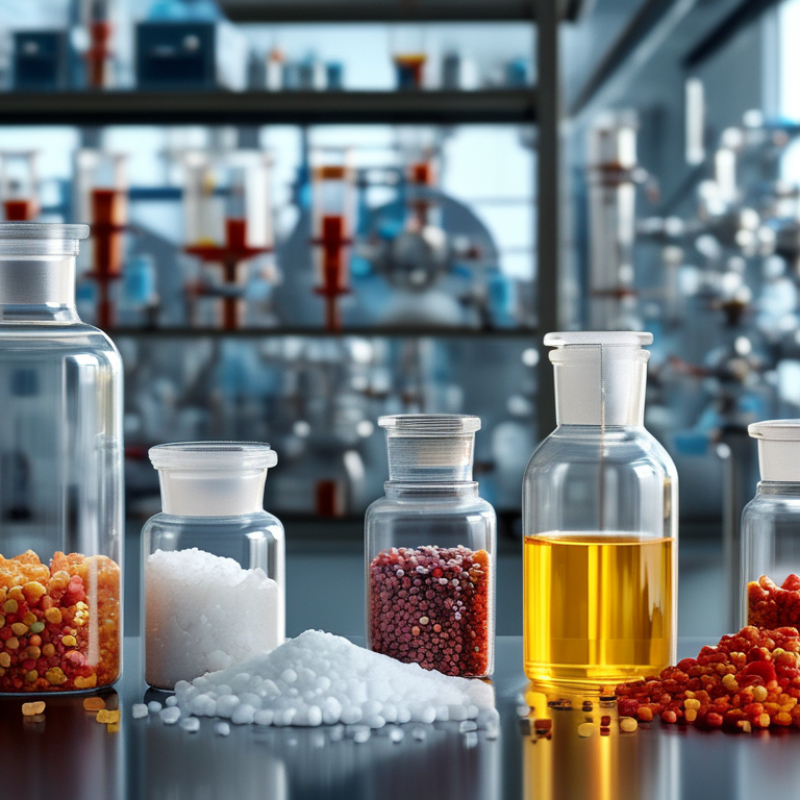
Understanding the Basics of API and Raw Material Terminology
When discussing pharmaceuticals, the terms "API" and "raw material" frequently surface. API, or Active Pharmaceutical Ingredient, is the key component responsible for a drug's therapeutic effect. According to a report by the Global API Market Research, the global market for APIs was valued at approximately $178.5 billion in 2021, a figure projected to grow by 6.3% CAGR through 2028. This growth underscores the importance of APIs in drug formulation and development.
In contrast, raw materials refer to the substances used in the production processes of various products, including pharmaceuticals. They encompass a broader range, from excipients to packaging materials. Research indicates that the pharmaceutical raw materials market is poised to reach $50.2 billion by 2025. This disparity in size between APIs and raw materials highlights the pivotal role that APIs play in healthcare innovation.
Understanding the differentiation is crucial. While APIs are focused on efficacy, raw materials often showcase variability in quality. This inconsistency can lead to challenges in manufacturing processes. Companies must ensure that each ingredient meets stringent regulatory standards. The struggle to maintain reliable sources of raw materials can pose risks, echoing the sentiment that achieving perfection in pharmaceutical production remains a continuous challenge.
Comparison Between API and Raw Material Usage in Pharmaceuticals
This chart illustrates the monthly usage of Active Pharmaceutical Ingredients (APIs) compared to raw materials in the pharmaceutical industry. APIs are fundamental components for drug manufacturing, while raw materials encompass various substances utilized in the production process.
Key Characteristics of Active Pharmaceutical Ingredients (API)
When discussing pharmaceuticals, the role of Active Pharmaceutical Ingredients (APIs) is crucial.
APIs are the substances in drugs that produce the intended effects. They are often complex chemical compounds and can be derived
from natural sources or synthesized in laboratories. Understanding the properties of APIs enhances our knowledge of drug efficacy.
APIs are characterized by their specific pharmacological action and potency. They interact with biological systems, leading to a
therapeutic effect. This makes their quality paramount in drug production. A small deviation in the API can lead to significant
changes in a drug's overall performance.
Tip: Always consider the source of APIs. Reliable suppliers ensure consistency
and quality in their products.
The production of APIs involves stringent regulatory processes to ensure safety and efficacy. Documentation and
testing are essential during this phase. It is crucial to recognize that not all APIs are suitable for all patients.
Individual reactions vary widely.
Tip: Engage with healthcare professionals to understand potential impacts associated with different APIs. Their
expertise can provide valuable insights into treatment options.
The distinction between APIs and raw materials underlines the complexities of pharmaceutical science. Raw materials may include
inactive ingredients, which serve as carriers but lack therapeutic effects. Understanding these differences is vital for
professionals in the field.
Defining Raw Materials and Their Role in Manufacturing
Raw materials are the foundational components used in manufacturing. They are essential to creating finished products. These materials can be natural resources or processed substances. For instance, metals, plastics, and wood are common examples. Each type of raw material carries specific properties that affect the final product’s quality. Understanding these materials helps manufacturers choose the right ones for their needs.
The role of raw materials in production is critical. High-quality materials lead to durable, functional products. Conversely, poor material choices may result in failures. It is crucial to evaluate and source materials wisely. Manufacturers often face challenges in assessing quality. Each batch of raw material can vary. This variability requires careful testing and inspection. In a competitive market, the pressure to cut costs can lead to lower quality material selections, resulting in long-term consequences.
Navigating this landscape demands expertise. Industry knowledge helps in identifying reputable suppliers. Innovation in raw material utilization can also enhance product performance. Manufacturers must remain vigilant and reflect on their choices. Prioritizing material integrity is not just beneficial; it is necessary for sustainable success.
Comparative Analysis: API vs. Raw Materials in Industry
When exploring the pharmaceutical industry, understanding the difference between Active Pharmaceutical Ingredients (API) and raw materials is crucial. APIs are the active components in medications that produce the intended therapeutic effect. They are often synthesized through complex chemical processes. For instance, the synthesis of an API may involve multiple reactions that require precise conditions and reagents.
Contrastingly, raw materials refer to the substances used in the formulation of drugs but are not therapeutically active themselves. These materials include excipients, solvents, and stabilizers. While they play a vital role in drug formulation, their quality and sourcing can sometimes be overlooked. It’s essential to recognize that poor-quality raw materials can compromise a drug's safety and efficacy. Each ingredient must be selected carefully and tested rigorously.
The complexity of these components highlights the need for industry professionals to understand both roles. Many may underestimate the significance of raw materials in achieving consistent drug quality. This oversight can lead to production delays and regulatory challenges. Industry experts advise continuous education and awareness. The dynamic nature of pharmaceuticals demands a commitment to understanding material differences and their implications on drug production.
Applications and Implications of API and Raw Material Differences
Understanding the differences between Active Pharmaceutical Ingredients (APIs) and raw materials is crucial in pharmaceuticals. APIs are the active components that provide therapeutic effects. They undergo stringent testing for efficacy and safety. Conversely, raw materials serve as the building blocks for APIs, often including various excipients and inactive substances.
The applications of APIs extend to drug formulation, where they play a direct role in patient outcomes. Raw materials, while not contributing directly to therapeutic activity, are essential in ensuring stability and proper delivery of APIs. This difference leads to varied regulatory requirements. APIs must meet higher standards due to their direct impact on health. Raw materials, in turn, face less scrutiny but are still vital for compliance.
The implications of these differences are significant. Misunderstanding between the two can lead to formulation failures. Inaccurate sourcing of raw materials may affect the quality of the final product. Manufacturers need to reflect on their supply chains. A well-established process ensures the integrity of both APIs and raw materials, fostering better product development. It's essential to invest time in understanding these components for success in the pharmaceutical landscape.
Conclusion
The article titled "2026 How to Understand the Difference Between API and Raw Material?" aims to clarify the distinction between Active Pharmaceutical Ingredients (API) and raw materials used in the manufacturing process. It begins by defining essential terminology and exploring the characteristics that distinguish APIs from raw materials, emphasizing the crucial role APIs play as the biologically active components in pharmaceuticals.
Furthermore, the comparative analysis highlights their applications and implications within the industry, shedding light on what is the difference between API and raw material. This understanding is vital for professionals in the pharmaceutical sector, as it affects everything from regulatory compliance to production efficiency. The article concludes by underscoring the significance of recognizing these differences in ensuring quality and effectiveness in drug manufacturing.

 Kawsana Health