Direct supply from state-of-the-art facilities with full regulatory compliance
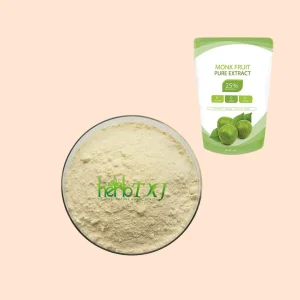
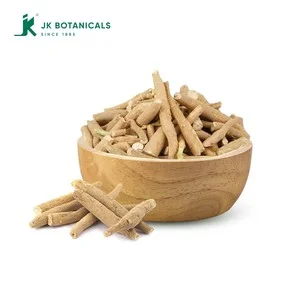
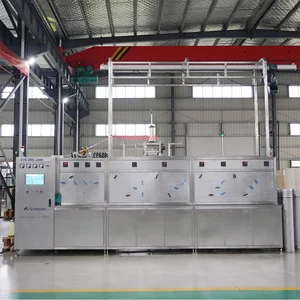

Shanxi Kawsana Health Co., Ltd. is a professional manufacturer and global supplier of natural botanical extracts, herbal ingredients, and functional health products. With more than 10 years of industry experience, we are committed to providing high-quality plant-based ingredients and comprehensive OEM/ODM solutions for customers worldwide.
Located in Shanxi Province, China, our company operates modern production facilities equipped with advanced extraction, purification, concentration, and drying technologies. Our GMP-compliant manufacturing workshop covers over 12,000 square meters, supported by a 600-square-meter R&D and Quality Control Center. Backed by an experienced team of production technicians, R&D specialists, and quality management professionals, we ensure every product meets stringent international quality standards.
To better serve our global partners, we provide one-stop solutions covering product development, customized formulations, ingredient sourcing, laboratory testing, quality documentation, private labeling, packaging design, regulatory support, and international logistics. Whether you require bulk ingredients or finished products, our professional team is dedicated to delivering reliable, efficient, and customized services.

Advanced formulation adjusting and bio-analysis at Kawsana's R&D Center
Deploying smart manufacturing to secure consistent quality and cost control for global buyers
By shifting to an IoT-driven industrial environment, Kawsana Health integrates automated sensory controls to monitor flow rates, steam temperatures, and pressure variances. This ensures our dietary fiber extractions (such as inulin, resistant dextrin, and polydextrose) preserve optimal molecular weights, resulting in superb water-solubility and zero batch-to-batch deviations.
Our strategic manufacturing base in Shanxi, China, enables proximity to vast agricultural reserves. We employ a direct farm-to-factory supply chain that secures high-purity biomass, neutralizing the risks of seasonal shortages. This physical proximity drastically lowers transit footprints, optimizing the total cost of ownership (TCO) for wholesale buyers.
In accordance with global net-zero targets and green factory initiatives, our Factory 4.0 utilizes closed-loop waste heat recovery and continuous countercurrent extraction (CCE) systems. This reduces water and energy consumption by 30% compared to traditional extraction setups, helping global partners meet Scope 3 environmental requirements.
Demystifying the technical benchmarks required by quality assurance and supply chain directors
Global formulation companies, food manufacturers, and pharmaceutical buyers don't just buy "dietary fiber." They purchase raw materials that meet strict operational criteria. Through intent analysis of global buyers, we address the critical parameters that make or break a formulation:
| Procurement Focus Area | Technical Target Specification | Kawsana Factory Verification & Method |
|---|---|---|
| Biological Tolerance & Gas Retention | Low glycemic index, low fermentability, high gastrointestinal tolerance. | AOAC 2017.16 testing to guarantee correct fiber categorization and prebiotic profile. |
| Thermal & Acid Stability | Maintains molecular integrity at pH 2.5–7.5; retains properties up to 140°C. | High-Performance Liquid Chromatography (HPLC) validation post pasteurization/baking simulation. |
| Process Performance | Excellent solubility, low viscosity, clear transparency, zero precipitation. | Laser diffraction particle size distribution profiling (D90 < 80 mesh) for instant dissolution. |
| Contaminant Control | Pesticide residue free, heavy metals Pb < 0.1 ppm, As < 0.1 ppm. | Inductively Coupled Plasma Mass Spectrometry (ICP-MS) screening for every shipping lot. |
The evolutionary trajectory of fiber tech, from basic bulking agents to precision microbiome therapeutics
Historically dominated by wheat bran, oat hulls, and cellulose. These are primarily utilized for basic fecal bulking, water retention, and improving peristalsis. However, their gritty texture and high turbidity limit their use in clear liquid formulations and high-end functional foods.
Featuring inulin, fructooligosaccharides (FOS), and polydextrose. These ingredients provide sugar and fat replacement properties while boosting gut microflora. Our R&D team optimizes these materials to lower the occurrence of bloating, allowing for higher serving sizes.
Looking ahead, we are focusing on enzymatic modifications that yield tailored degrees of polymerization (DP). This allows the dietary fiber to selectively feed specific probiotic strains (e.g., Akkermansia muciniphila or Bifidobacterium longum), enhancing immune and metabolic wellness.
Tailored dietary fiber applications for food, beverage, and therapeutic sectors
Soluble dietary fibers act as fat replacers, delivering a creamy, velvety mouthfeel in low-fat yogurts and oat milk. They mask the astringency of plant proteins without altering the flavor profile or increasing viscosity.
Adding dietary fibers like resistant dextrin or inulin allows bakers to create high-fiber, low-sugar cookies and breads. These fibers retain moisture, extending shelf life and keeping crumb structures soft.
Our ultra-clear soluble fibers dissolve quickly without clouding the drink, settling, or forming gels. They remain stable in high-acid formulas, like carbonated waters or functional juice drinks.
Ensuring your import processes run smoothly across Europe, North America, and global markets
Navigating global regulatory landscapes requires expertise and documentation. Shanxi Kawsana Health ensures hassle-free customs clearance and import compliance by maintaining updated certifications and trace protocols:
Step-by-step documentation of our extraction, processing, and testing workflows

Raw Material Dispensing

Cleaning & Drying

Commissioning
Formula Adjustment
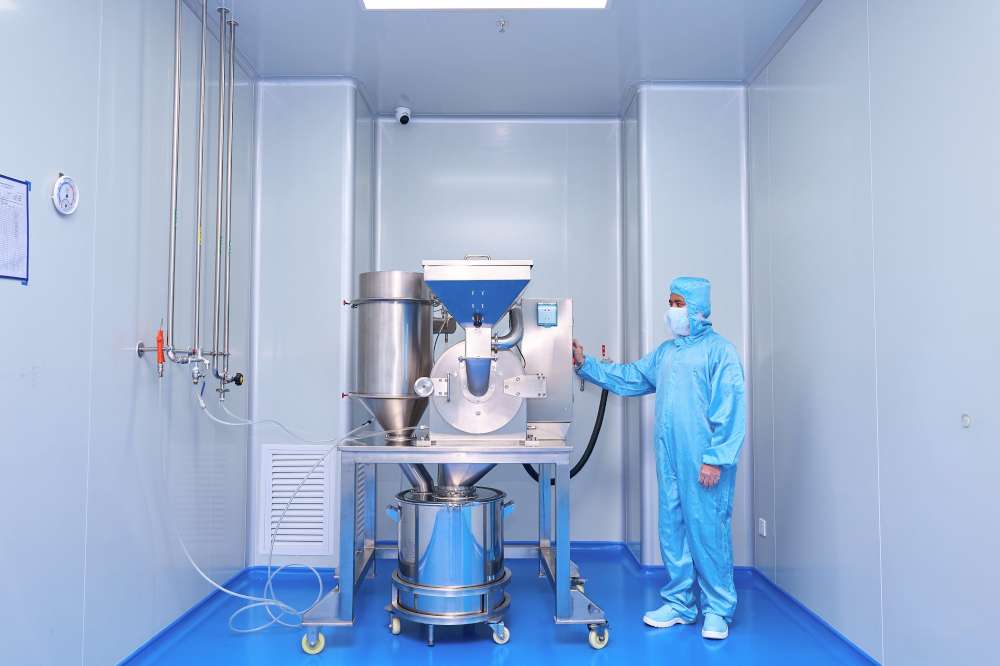
Filling

Centrifugation
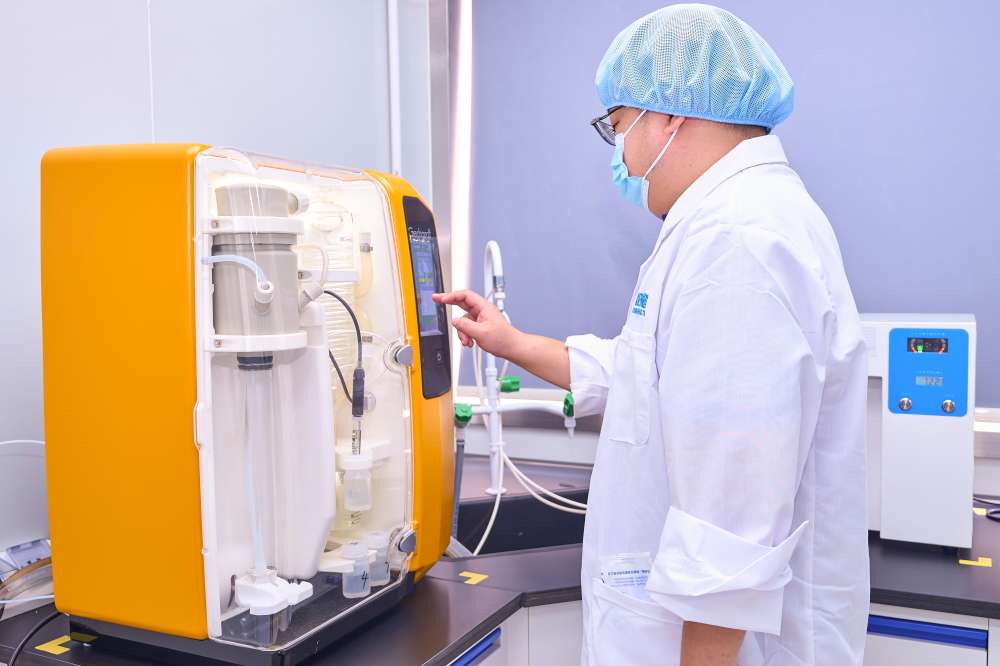
Protein Determination

Airtightness Test

Plastic Sealing

Packing & Sealing
Answering common questions from R&D scientists and procurement directors
How do you verify the dietary fiber content in your batches?
We use the AOAC 2009.01 or AOAC 2017.16 analytical methods (integrated double-enzymatic gravimetric-liquid chromatography) to precisely quantify both low molecular weight soluble dietary fibers and high molecular weight insoluble dietary fibers. This provides accurate nutritional labeling compliance for our clients.
What is the digestive tolerance threshold for your soluble prebiotic fibers?
Our enzymatically modified fibers, such as resistant dextrin, show high GI tolerance compared to simple monomeric sugars or raw inulin. Research shows that healthy adults can tolerate doses up to 35–45g/day without experiencing typical gas or bloating, making it suitable for clean-label, fiber-fortified food formulations.
How do your fibers perform under high-heat extrusion or low-pH conditions?
Our fibers are engineered for stability. Under thermal processing (up to 140°C) and low pH conditions (pH 3.0), our resistant maltodextrins and polydextrose show less than 3% hydrolysis. This prevents the loss of functional fiber value in applications like RTD beverages, shelf-stable bakery, and high-heat extruded snacks.
Can you customize the particle size distribution to prevent clumping in instant drink powders?
Yes. We offer customized particle size parameters. Our standard powder is 80 mesh, but we can supply agglomerated or granulated versions (40-60 mesh) for instant beverage formulations. This structure improves wet-out and dispersibility, preventing clumping in cold liquid applications.
What measures do you take to guarantee low heavy-metal levels for sensitive markets?
We operate a strict raw material vetting process. We screen all incoming batches and utilize advanced membrane filtration and ion-exchange resin systems during extraction. Every shipping lot is certified via ICP-MS to confirm heavy metal levels remain well within international limits (Lead < 0.1 ppm, Arsenic < 0.1 ppm, Cadmium < 0.05 ppm).
Explore our broader ingredient portfolio for food, cosmetics, and wellness formulations

 Kawsana Health