Engineered to meet the stringent standardization protocols required by NAFDAC and local industrial buyers.
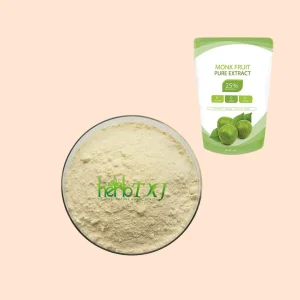
In the wake of macroeconomic transformations across Sub-Saharan Africa, the Nigerian pharmaceutical and nutraceutical sectors are undergoing a significant transition. Driven by structural shifts, currency adjustments, and the rising domestic consumption of healthcare products, local manufacturing hubs in Lagos, Ogun, Onitsha, and Kano are actively prioritizing backward integration. Raw, unrefined botanicals are rapidly being replaced by standardized herbal extracts, which guarantee uniform chemical markers, reliable therapeutic outcomes, and compliance with the National Agency for Food and Drug Administration and Control (NAFDAC) regulations.
Standardized extracts differ fundamentally from simple herbal powders. While crude botanicals contain varying concentrations of active ingredients due to environmental, seasonal, and harvesting deviations, standardized versions isolate and maintain precise quantities of target compounds—such as saponins, silymarin, and polysaccharides. This precision allows Nigerian formulation chemists to manufacture tablets, capsules, and liquid dosage forms that match international pharmacopeial standards.
The high cost of importing finished pharmaceuticals has prompted local manufacturers to scale up formulation activities. By importing high-purity, standardized botanical intermediates instead of bulk pre-formulated medicines, Nigerian enterprises achieve substantial cost savings, bypass heavy import tariffs, and support the domestic labor market. This trend is highly visible in the expanding market share of traditional complementary medicines and immune-support formulations.
The consumer market in Nigeria has shown an increasing preference for preventative wellness products, botanical immune support formulas, and natural metabolic regulators. However, the presence of adulterated or substandard herbal formulations remains an obstacle to industry-wide consumer trust. As a result, both local regulatory bodies and leading domestic brands are enforcing strict guidelines concerning raw material sourcing.
Currently, the market demands botanical ingredients that carry complete documentation, including High-Performance Liquid Chromatography (HPLC) profiles, Certificates of Analysis (COA) specifying heavy metal limits, and detailed microbial purity indexes. Forward-looking manufacturers are shifting their procurement systems to favor global partners capable of offering robust quality verification and technical support during the product registration process.
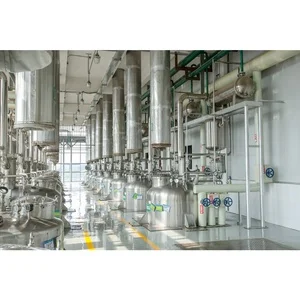
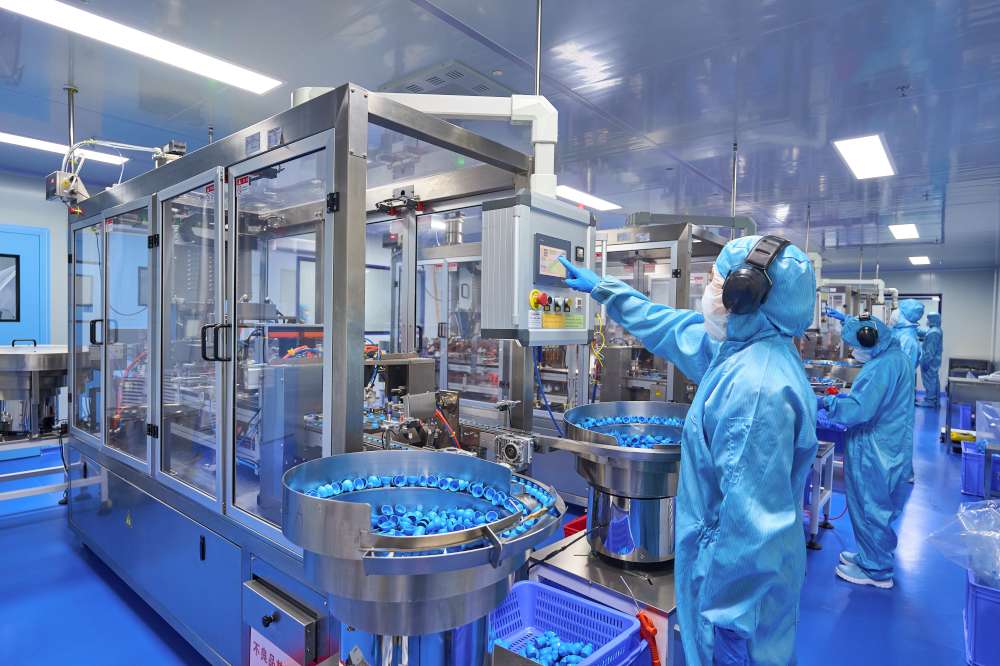
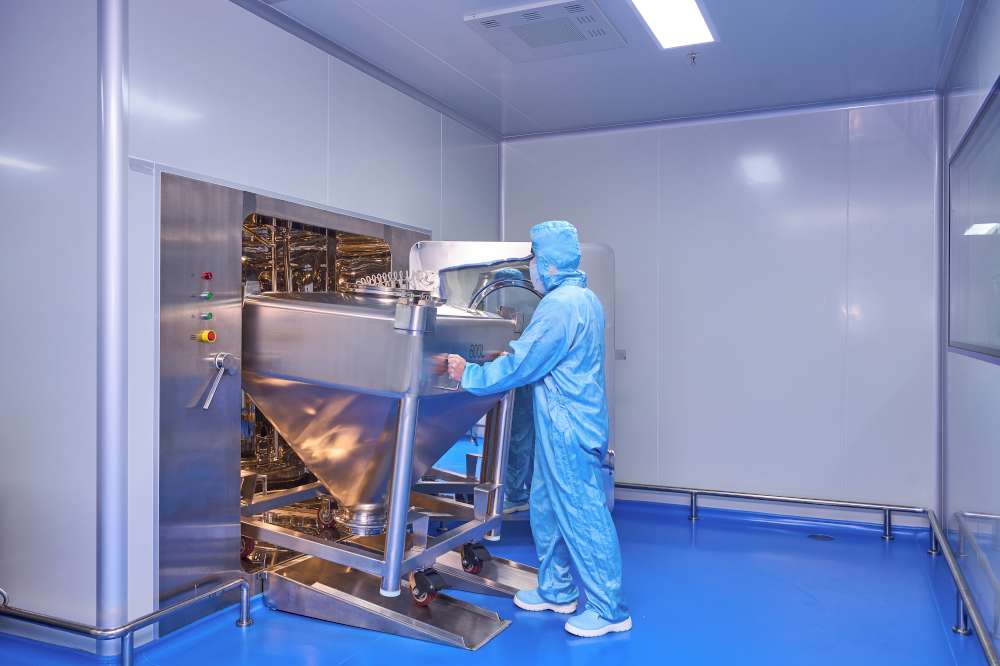
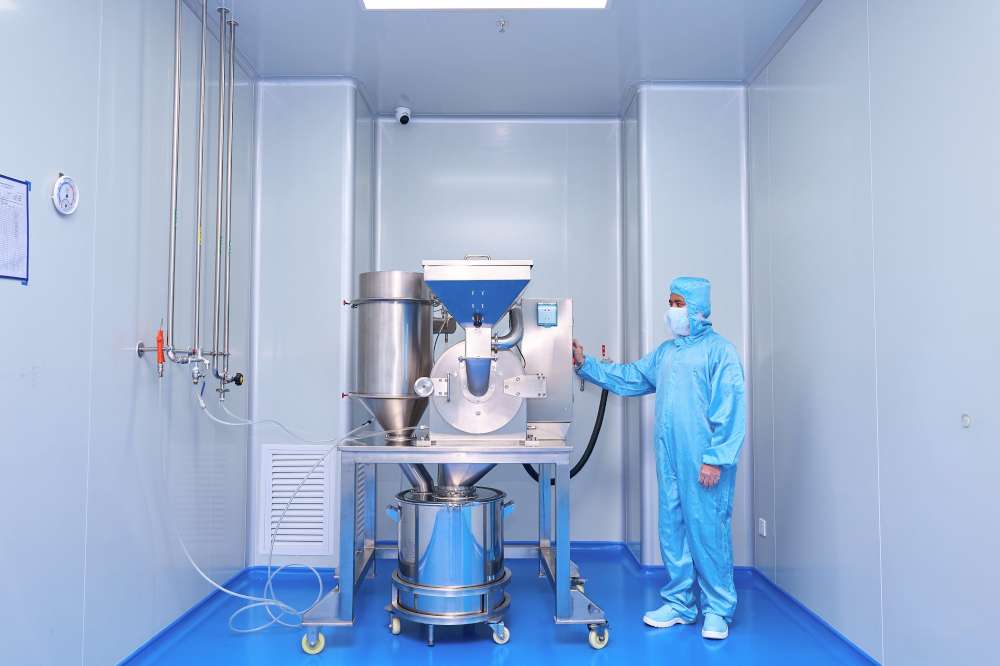
Shanxi Kawsana Health Co., Ltd. serves as a reliable global manufacturing partner for high-grade botanical extracts, active pharmaceutical ingredients (APIs), and tailor-made OEM/ODM formulations. Operating a state-of-the-art manufacturing center spanning over 12,000 square meters, we combine advanced separation chemistry with rigid Quality Control protocols to produce standardized extracts matching international expectations.
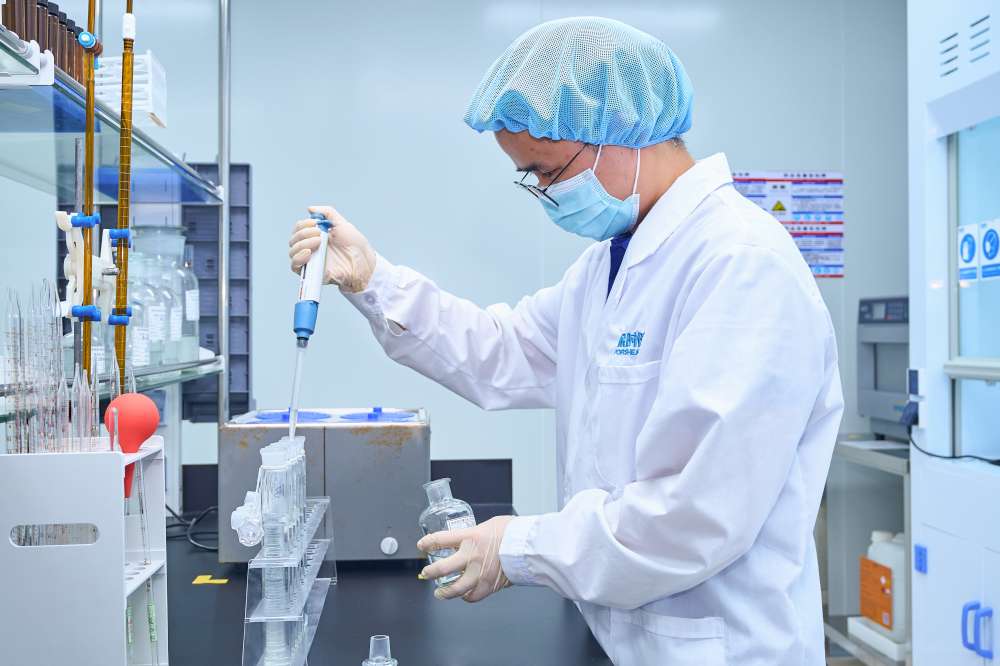
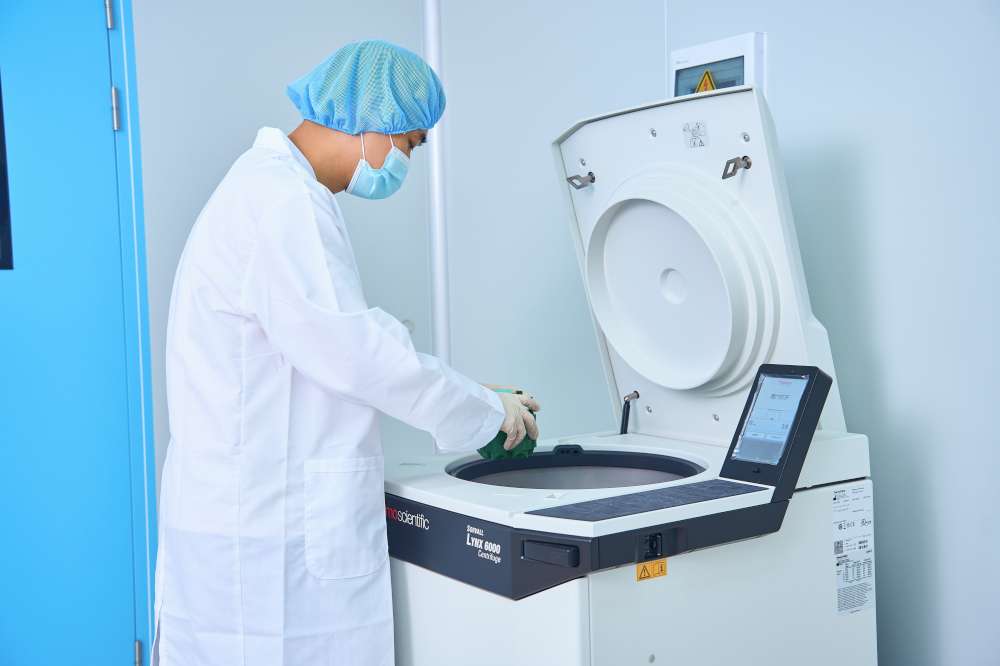
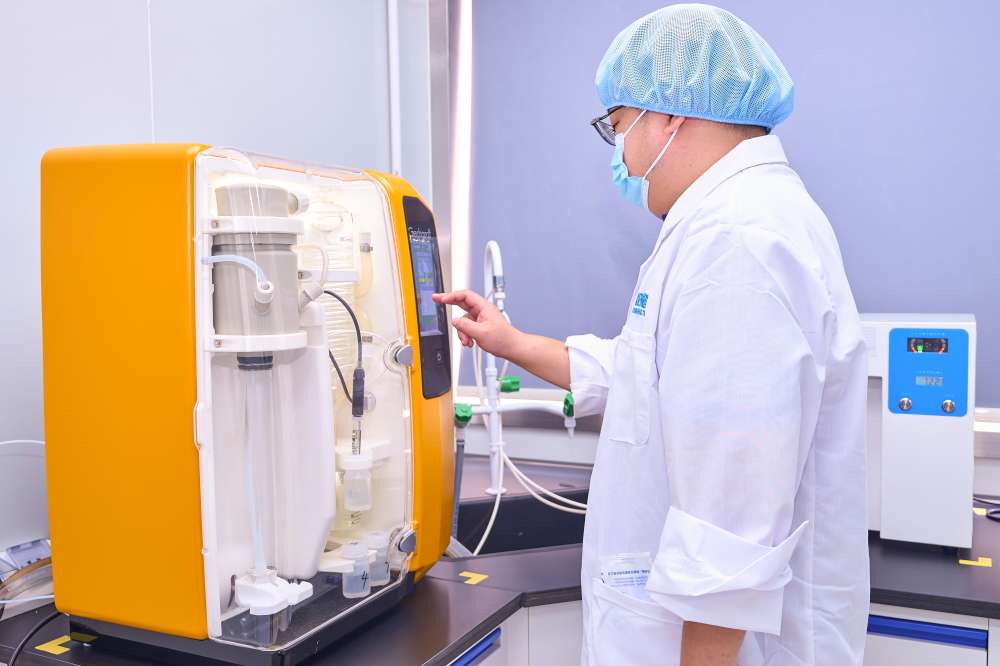
Our infrastructure includes a dedicated 600-square-meter R&D facility equipped with high-precision analytical equipment, including HPLC, Gas Chromatography (GC), and UV spectrophotometers. These assets allow us to systematically monitor and isolate target markers, ensuring that critical parameters such as active ingredient concentration, residual solvents, heavy metals, and microbiological load consistently meet the import standards set by West African regulatory bodies, particularly NAFDAC.
We provide comprehensive supply chain support to streamline operations for our Nigerian clients, including:
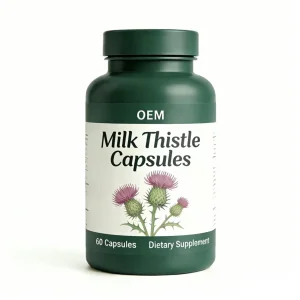
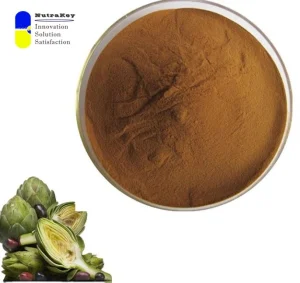
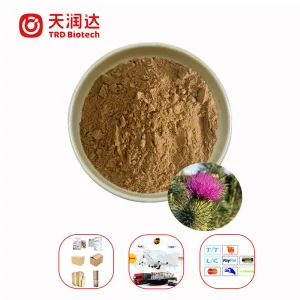
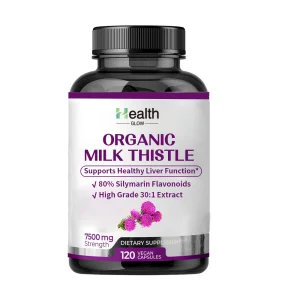
A primary challenge for herbal solid dosage forms in West Africa is physical stability. High ambient humidity and elevated temperatures can accelerate the degradation of hygroscopic botanical powders, leading to caking, discoloration, or loss of potency. Our technical team addresses this through specialized particle engineering and the application of protective coatings during the spray-drying phase. This ensures that standardized powders, such as our Milk Thistle Extract (Silymarin) or Rhodiola Rosea Extract, retain optimal flowability, solubility, and therapeutic integrity during processing and storage.
The global botanical extraction industry is rapidly evolving, driven by innovations in green chemistry and automated process controls. Shanxi Kawsana Health is at the forefront of this shift, utilizing advanced extraction technologies designed to maximize yield while preserving the biological integrity of delicate secondary metabolites.
Our roadmap emphasizes the integration of Supercritical CO2 Extraction and Ultrasonic-Assisted Extraction (UAE) systems. Unlike traditional solvent extraction, supercritical CO2 leaves no toxic residues, making it the premier method for extracting volatile fractions, essential oils, and lipophilic compounds. This technology is vital for sensitive formulations designed for the medical and high-end nutraceutical sectors in Nigeria, where consumer demand for chemical-free processing continues to rise.
Looking toward the future of manufacturing, we are incorporating predictive analytical models that analyze raw material inputs prior to extraction. By correlating geographical growth data, harvest times, and near-infrared (NIR) spectroscopy profiles, we optimize extraction temperatures, solvent ratios, and pressure settings in real time. This technological approach ensures batch-to-batch consistency, providing Nigerian manufacturers with reliable raw materials that perform predictably on high-speed tableting and capsule-filling machines.
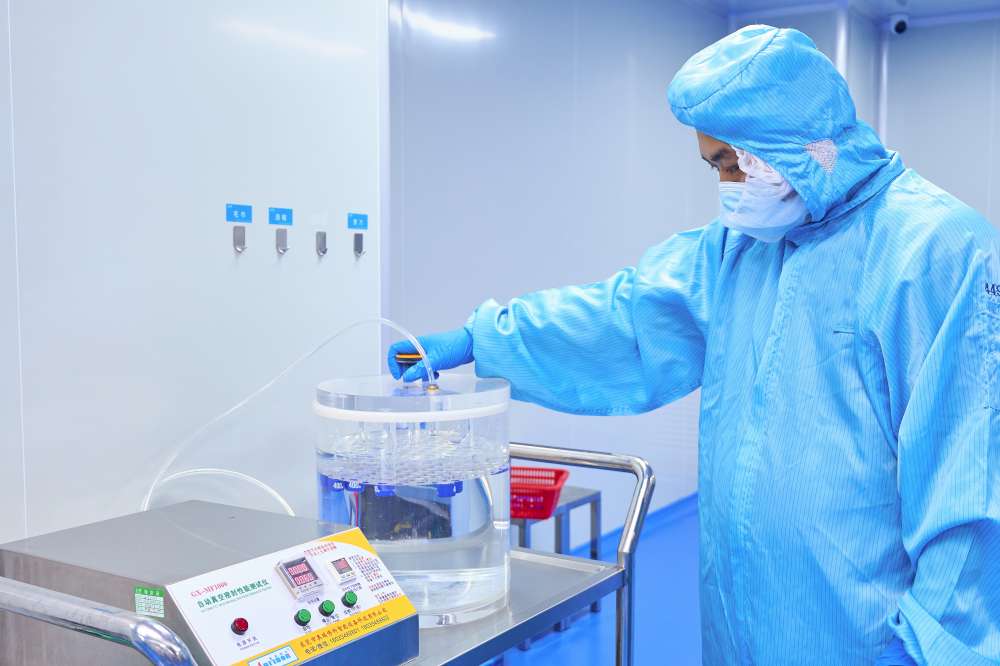
Transparent display of our production processes, raw material controls, and analytical validation systems.



Essential insights covering regulatory documentation, product stability, customs, and OEM/ODM options.
High-purity botanical inputs and private label formulations engineered for pharmaceutical and health brands in West Africa.

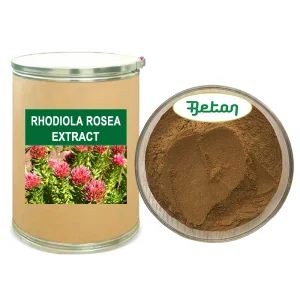
For pharmaceutical procurement departments, ensuring active ingredient authenticity is critical to protecting brand reputation and patient health. Sourcing botanical ingredients requires strict compliance with international manufacturing guidelines. Our production processes align with ISO 9001:2015, GMP, Kosher, and Halal standards, facilitating smooth clearance for international shipments.
Our extraction lines utilize selective solvents to extract and isolate key phytochemical fractions while removing undesirable elements, such as heavy metals, agricultural chemicals, and free-roaming microflora. By implementing strict hazard controls at each step of the extraction process, we ensure our botanical extracts meet regulatory standards for global markets, including North America, Europe, and West African countries.
We work with international logistics providers to coordinate container loading, customs processing, and temperature-controlled shipping to major commercial ports in Nigeria, including Lagos Port Complex (Apapa) and Tin Can Island. Our custom packaging options protect raw materials from humidity-related damage, ensuring they arrive at production facilities in optimal condition.
Our technical team provides comprehensive support throughout the procurement cycle, offering detailed product dossiers and raw material trace reports to satisfy regional quality standards. By prioritizing product quality, batch consistency, and documentation transparency, we help clients streamline their sourcing processes and maintain reliable supply lines for their manufacturing operations.
Connect with our technical sales team for tailored botanical extract formulations, detailed regulatory documentation support, and custom contract manufacturing services.
 Kawsana Health