Explore our core selection of bioactive components, natural plant extracts, and clinical-grade excipients customized for advanced cosmetic and nutraceutical applications.
As the international cosmetics and personal care landscape transitions toward biological precision, the identification of a verified manufacturing partner becomes critical. Shanxi Kawsana Health Co., Ltd. operates at the intersection of natural phytochemistry and bio-technological synthesis. Over the past decade, we have scaled our production infrastructure to supply standardized, functional botanical extracts, bio-fermented active compounds, and advanced structural lipids to cosmetic formulators globally.
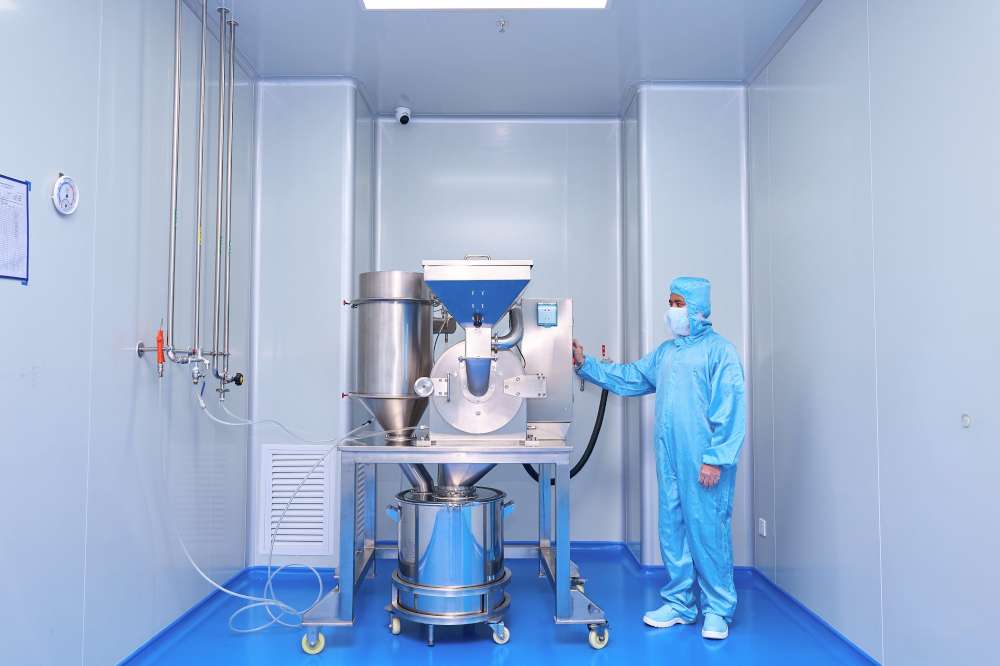
Headquartered in Shanxi Province, China, our specialized manufacturing complex leverages state-of-the-art solid-liquid extraction, subcritical fluid separation, and membrane concentration systems. Our production workflow complies with international GMP standards, ensuring structural consistency, microbiological purity, and batch-to-batch repeatability of complex molecules such as Epigallocatechin Gallate (EGCG), Phytoceramides, and bio-fermented Pullulan polymers.
Our operation is designed for the modern brand owner, offering a direct pathway from pure raw materials to scalable retail formulations. Through our comprehensive OEM/ODM pipeline, we support clients from cosmetic chemistry consultation and regulatory documentation (including COA, MSDS, Halal, and REACH compliance) to final aseptic packaging and international cold-chain logistics.
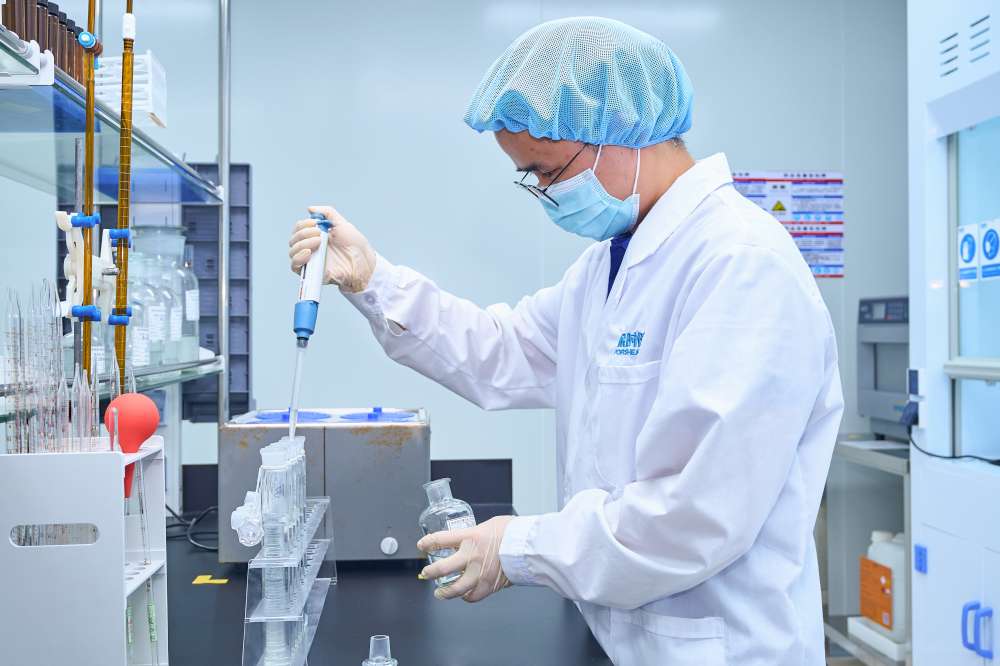
Every cosmetic active batch is subjected to comprehensive chromatographic analysis (HPLC, GC-MS, UV-Vis) and microbiological screening. Our laboratories monitor toxic heavy metals, pesticide residues, and residual solvents to comply with EU Regulation (EC) No 1223/2009 and FDA cosmetic regulations.
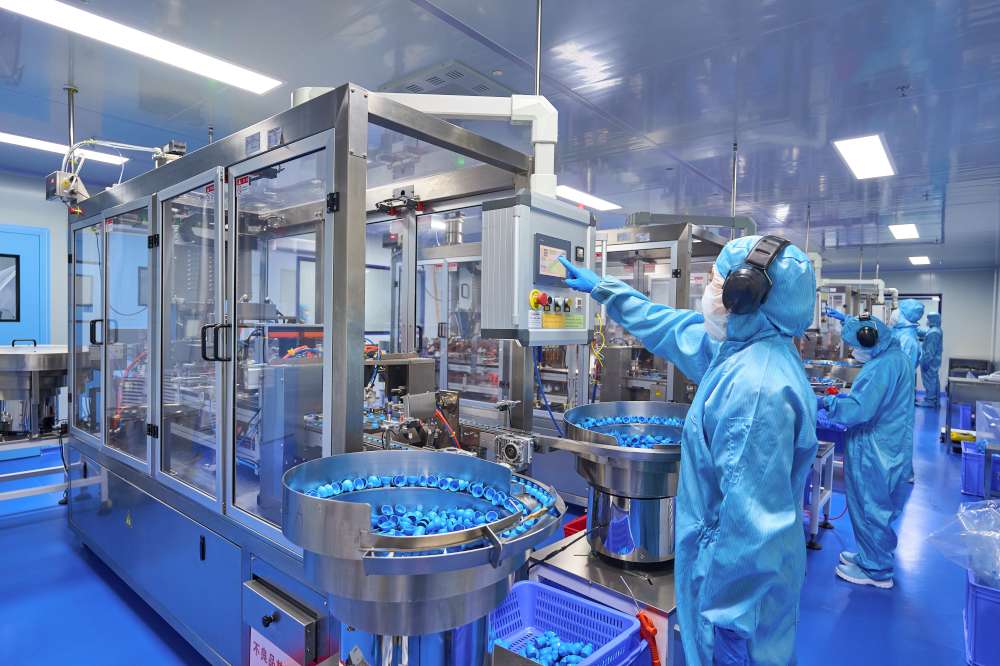
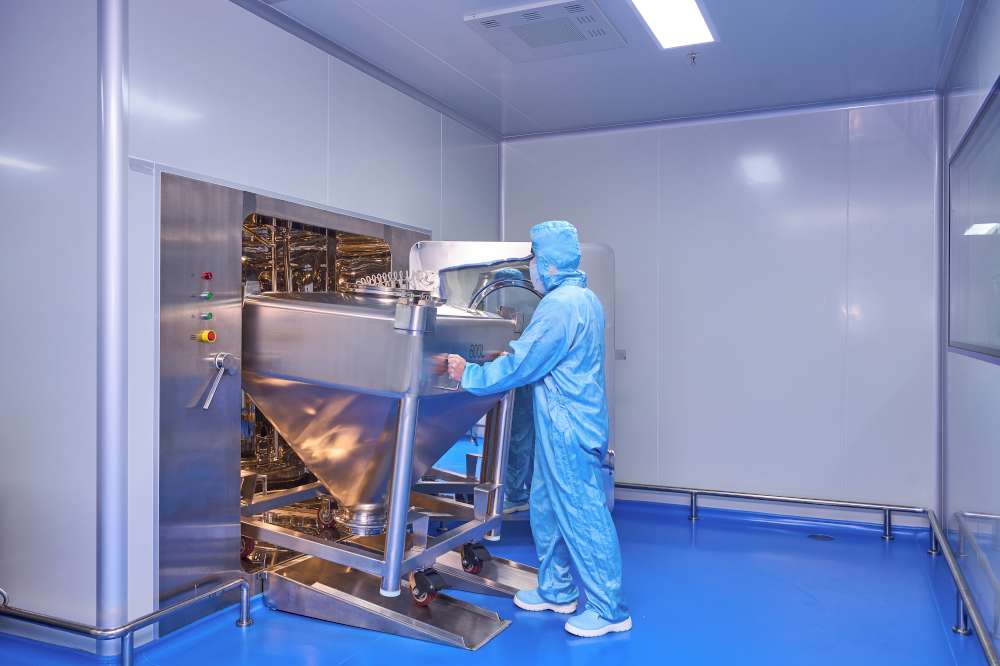
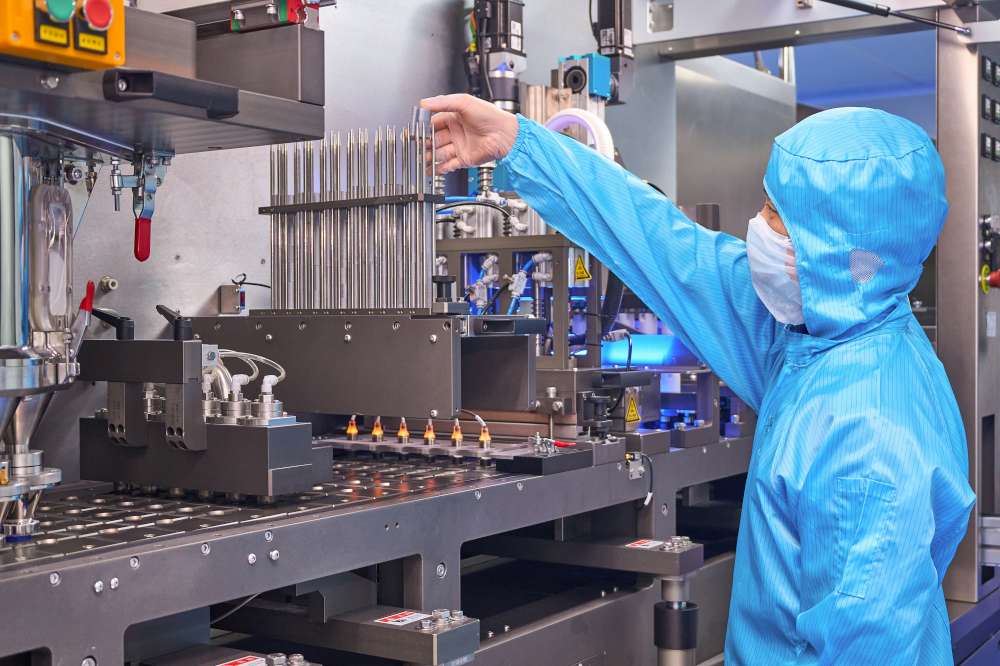
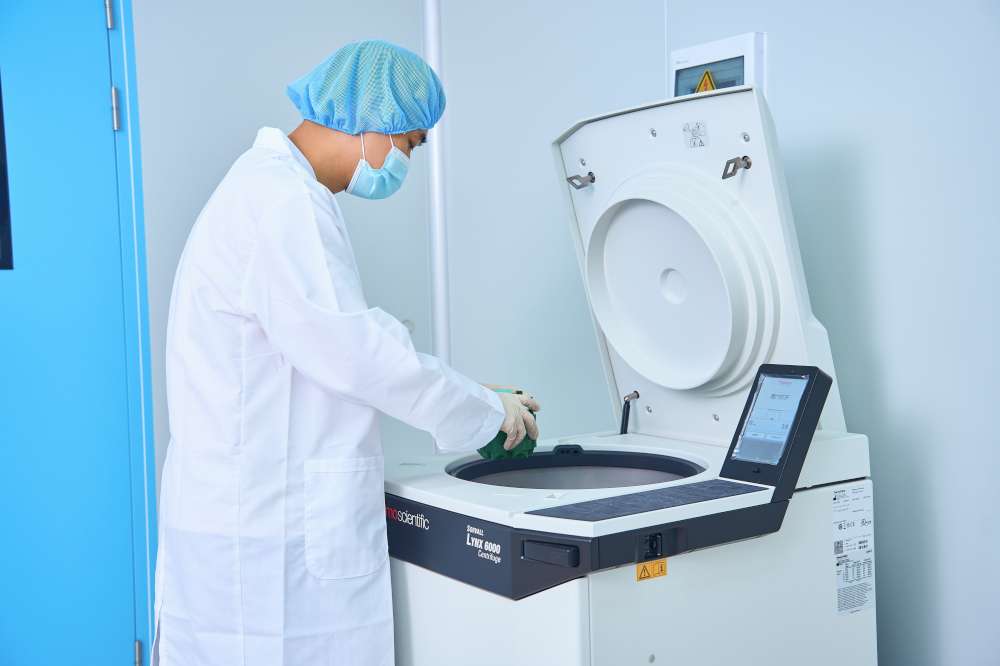
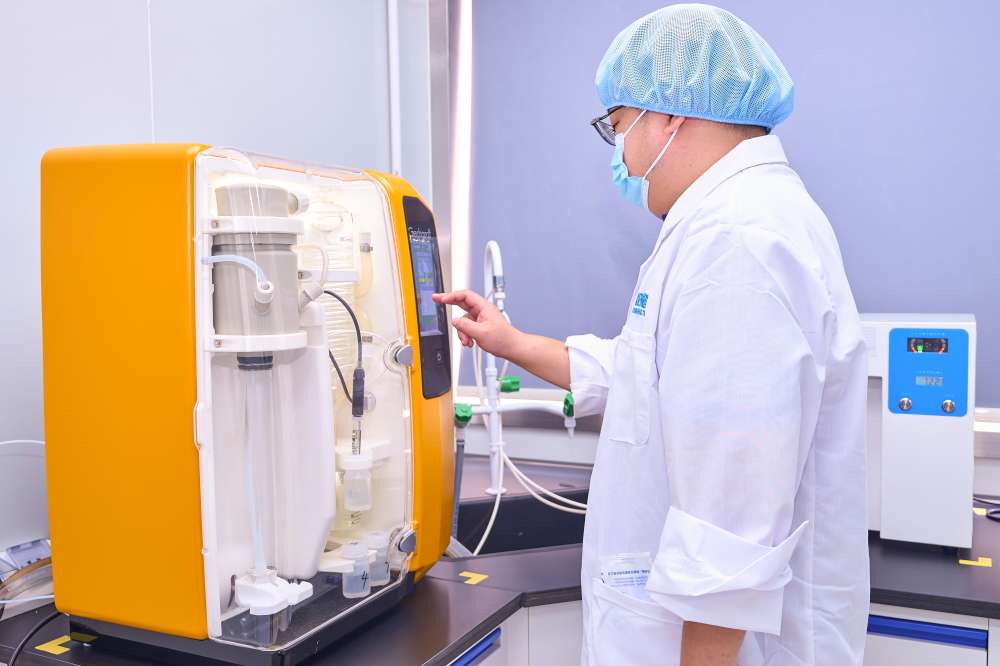
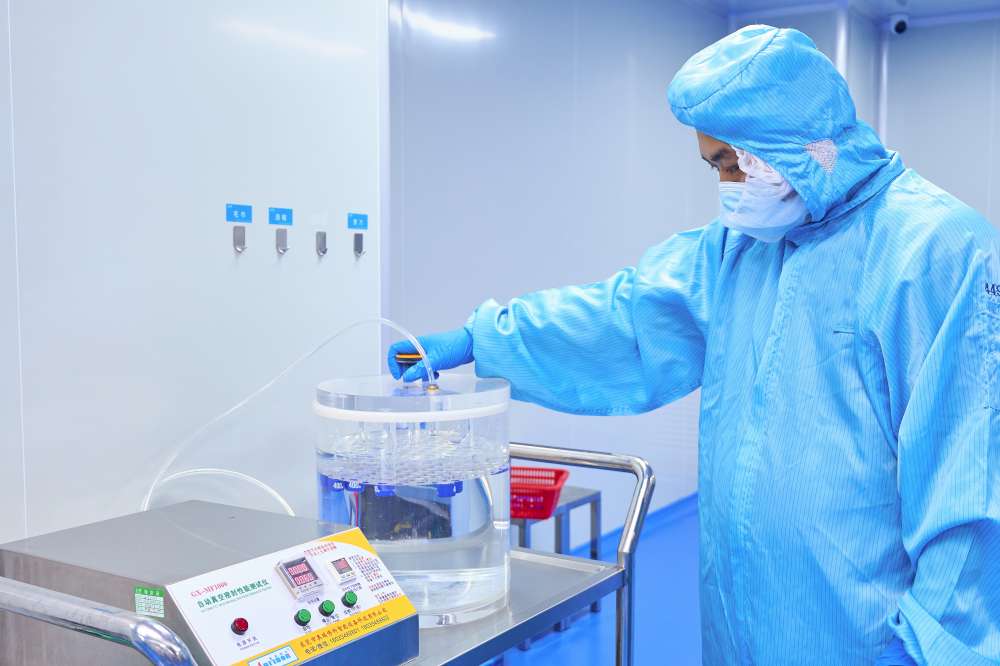
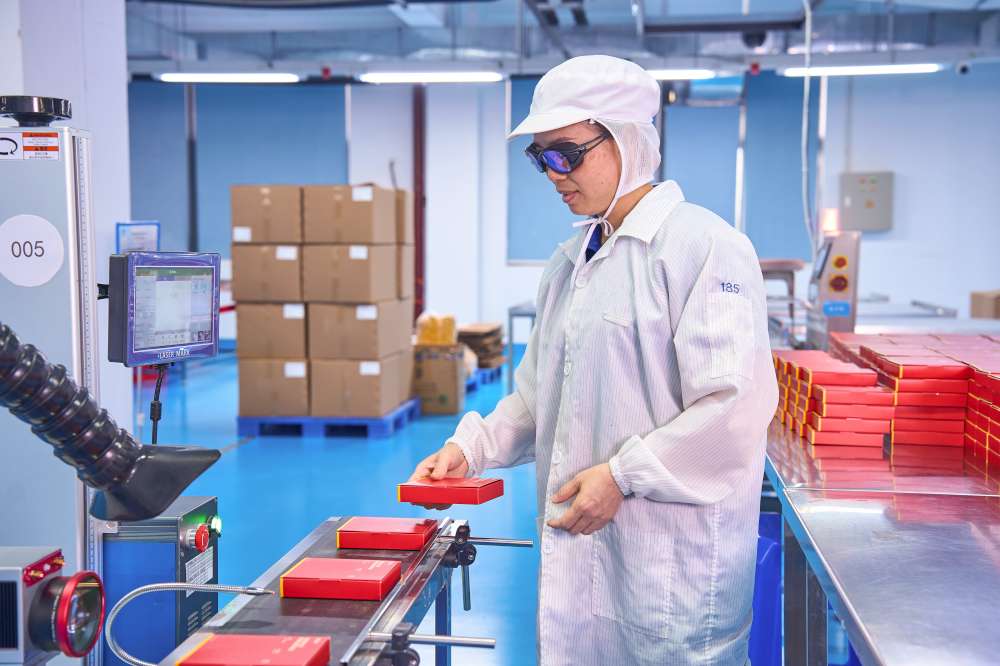
A visual documentation of our mechanical capabilities, analytical equipment, and processing controls in Shanxi, China.

Understanding the structural advantages of China's chemical synthesis and botanical extraction ecosystems.
China controls the raw precursor markets for both synthetic lipids and botanical biomass. By locating production centers close to agricultural hubs (such as Shaanxi/Shanxi for apple, ginger, and grape extracts) and chemical clusters, factories minimize transport costs and raw biomass degradation, securing pricing advantages and consistent supply.
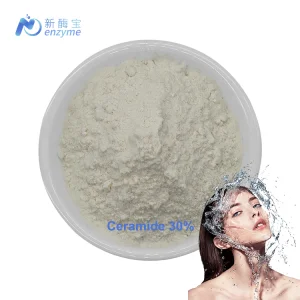
With massive public and private R&D investments, Chinese bio-tech facilities lead in synthetic biology and enzymatic biosynthesis. Highly stable, biodegradable polymers like Pullulan and biomimetic skin lipids like Ceramide NP (30% cosmetic grade) are synthesized via custom fermentation matrices, achieving higher yield and purity than classic chemical routes.
Modern Chinese active ingredient factories operate under strict CSAR (Cosmetic Supervision and Administration Regulation) systems, matching European REACH and US FDA monographs. Facilities implement automated documentation pipelines, offering HPLC assays, heavy metal profiles, and microbiological clearance sheets to satisfy international quality management audits.
Technological trends directing formulation science, cosmetic sourcing, and efficacy validation from 2025 onwards.
Formulators are moving away from simple occlusive skin barriers toward bioactive cellular repair. Standardized sphingolipids, specifically Konjac-derived Phytoceramides and bio-fermented Ceramide NP, mimic the natural intercellular lipid matrix of the stratum corneum. These molecules biologically insert into the lipid lamellae, stimulating endogenous lipid synthesis and reducing transepidermal water loss (TEWL).
Cellular regeneration therapies are shifting from clinical medicine into top-tier cosmeceuticals. Polydeoxyribonucleotide (PDRN), extracted from salmon DNA, serves as a cell-signaling substrate that binds to adenosine A2A receptors, initiating tissue repair and downregulating pro-inflammatory cytokines. This marks a new class of active cosmetic raw materials focused on gene expression and wound healing.
Global regulatory bodies are restricting synthetic silicone oils and microplastic film-formers. Plant-based natural polysaccharides, such as Pullulan generated via Aureobasidium pullulans fermentation, offer a biodegradable, non-toxic, and biocompatible alternative. These natural polymers form an elastic, gas-permeable film that protects skin against airborne pollutants while providing an instant lifting effect.
The cosmetic market is rejecting unstandardized botanical powders. High-performance brands demand high-purity phytochemical isolates such as EGCG (98% Epigallocatechin Gallate) from Camellia sinensis or standardized Resveratrol. Quantitative analytical tools like High-Performance Liquid Chromatography (HPLC) ensure that every batch contains the precise milligram value of the bioactive antioxidant required to counter oxidative cellular damage.
Direct applications of raw ingredients in specific cosmetic formats designed for international consumer segments.
Designed for post-procedure skincare (such as chemical peels or micro-needling). By combining Ceramide NP (30%) with plant-derived phytoceramides and biodegradable Pullulan, formulators create protective barriers that mimic natural skin structure. This accelerates epidermis reconstruction while providing an immediate smoothing effect without relying on petroleum derivatives.
Targeted daily serums designed to combat UV-induced cellular stress. Leveraging a synergistic matrix of Green Tea Extract EGCG (98%) and high-purity Resveratrol. These potent free-radical scavengers halt lipid peroxidation, downregulate matrix metalloproteinases (MMPs) that break down collagen, and reduce UV-induced erythema.
Anti-aging facial treatments combining synthetic biology molecules like PDRN (Salmon DNA) with cellular catalysts such as Oxido Reductases. These ingredients promote cellular respiration, stimulate dermal fibroblast proliferation, and accelerate DNA repair pathways, offering targeted treatment for mature or sun-damaged skin.
Navigating the regulatory landscape of cosmetic active ingredient procurement demands thorough documentation and verification of purity. At Shanxi Kawsana Health Co., Ltd., we establish supply-chain security by maintaining meticulous compliance logs across three critical pillars:
Insights from our R&D chemists and international procurement managers answering technical and regulatory questions.
Our extended catalog features highly concentrated extracts and specialized functional ingredients for global distribution.
 Kawsana Health