High-performance botanical materials engineered to survive tropical humidity and meet strict regional health regulations.
The global pharmaceutical and nutraceutical sectors are undergoing a structural paradigm shift from synthetic polymer carriers to plant-derived excipients. Historically, excipients were regarded as inert substances used simply to bulk out active formulations. Today, modern drug delivery science recognizes them as critical bio-functional components that govern dissolution profiles, chemical stability, and bio-availability.
In Thailand, a nation rapidly positioning itself as the "Medical Hub of Asia" under the government's BCG (Bio-Circular-Green) Economic Model, this trend is especially pronounced. Thailand's traditional herbal medicine framework (consisting of local remedies like *Fah Talai Jone* or *Kra Chai Dam*) requires specialized, moisture-resistant plant carriers. Standard starch binders often fall short in tropical environments, creating a pressing need for advanced, low-hygroscopic plant-derived excipients like Pullulan and Modified Dextrins.
Tropical climates like Bangkok and Chiang Mai feature relative humidity levels regularly exceeding 80%. Traditional gelatin capsules soften or cross-link under these conditions. Pullulan, a natural polysaccharide produced via fermentation, provides a robust oxygen and moisture barrier, ensuring capsule stability without synthetic preservatives.
Manufacturers exporting to other ASEAN nations must comply with the ASEAN Common Technical Dossier (ACTD). Using standardized, plant-derived excipients with established GMP certifications simplifies the registration process, removing doubts over animal-based pathogen contamination (e.g., BSE/TSE risks associated with bovine gelatin).
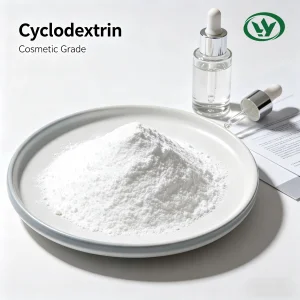
Modern botanical excipients are modified molecularly (e.g., Hydroxypropyl-Beta-Cyclodextrin) to form inclusion complexes. This dramatically increases the water-solubility of poorly soluble active ingredients (APIs), boosting oral bio-availability and reducing the therapeutic dose required.
How Shanxi Kawsana Health’s smart manufacturing infrastructure satisfies the stringent capacity, quality, and cost demands of Southeast Asian biopharma.
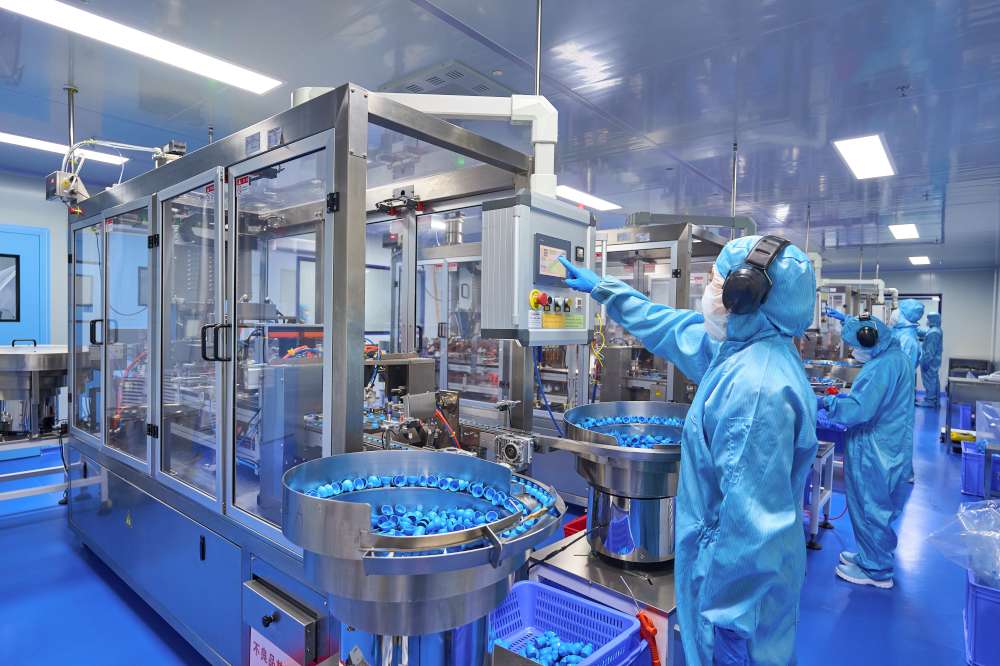
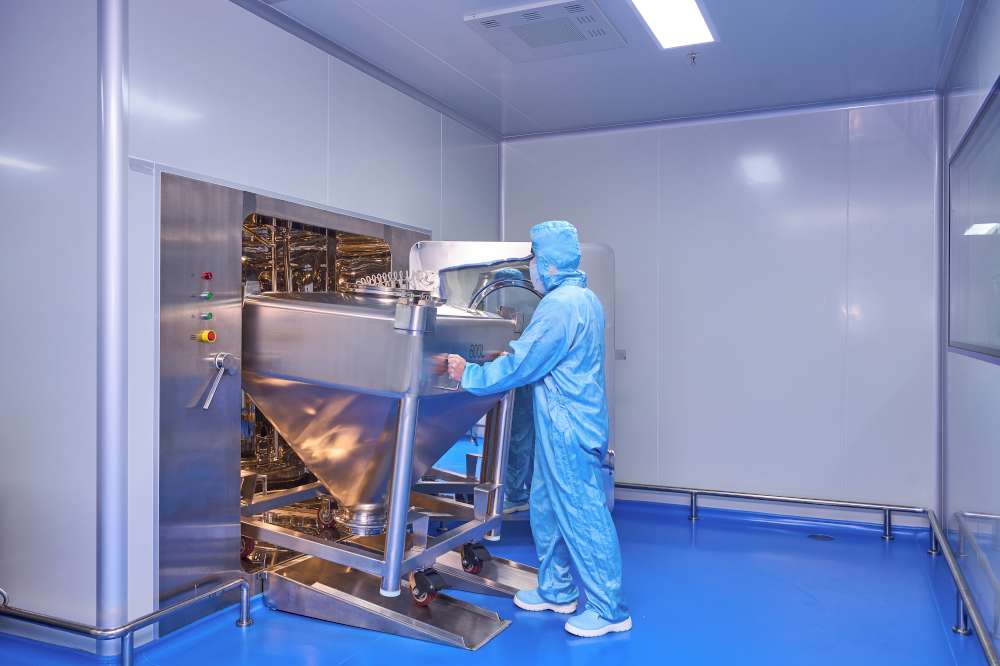
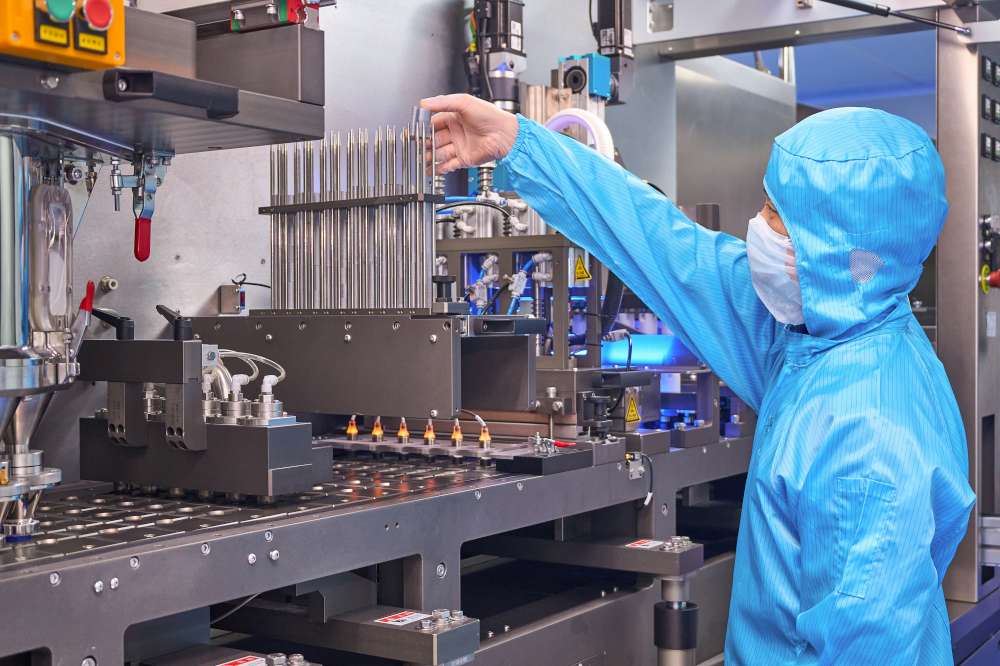
Based in Shanxi Province, China, Shanxi Kawsana Health Co., Ltd. stands as a premier manufacturer of high-purity natural botanical extracts and functional plant-derived excipients. Operating a state-of-the-art facility covering over 12,000 square meters, Kawsana fuses traditional botanical science with advanced automation.
By implementing Industry 4.0 principles, we ensure full traceability from raw crop harvesting to the final excipient powder batch. Our dedicated 600-square-meter R&D and Quality Control Center is equipped with ultra-performance liquid chromatography (UPLC), gas chromatography (GC), and mass spectrometry (MS) capabilities. This guarantees that parameters like moisture content, particle size distribution, and heavy metal concentrations conform exactly to USP, EP, and Thai FDA regulations.
For buyers in Thailand, partnering with a Chinese Industry 4.0 manufacturer offers critical geographic and economic advantages. Thanks to the China-Thailand free trade agreements and regional shipping networks (such as the China-Laos-Thailand railway link), lead times are reduced to just 5-7 days, compared to the 30-45 days required for European or North American suppliers. This directly minimizes warehouse storage costs and buffers local manufacturers against global supply disruptions.
Need specific particle sizing, moisture assays, or regulatory documentation (GMP, ISO, Halal) for Thailand FDA registration?
Every stage of production is closely monitored and validated to ensure strict compliance with global GMP standards.
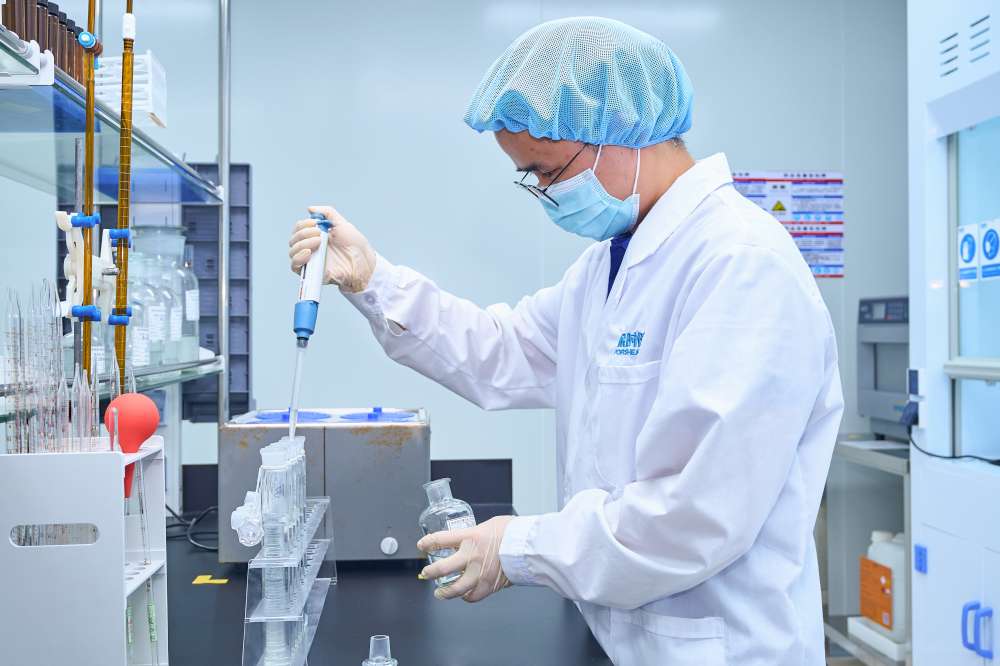
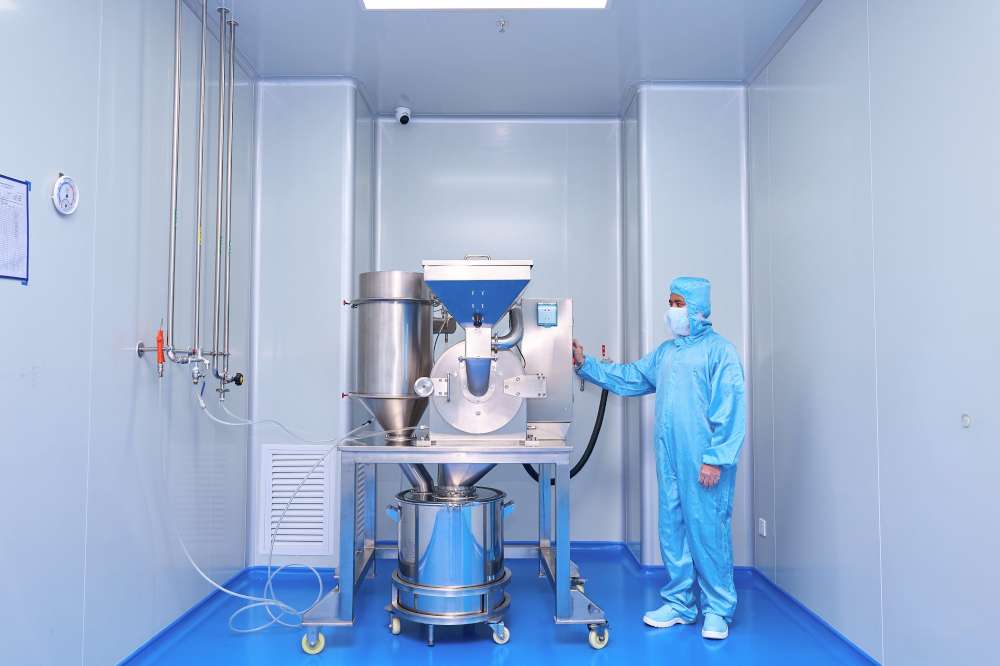
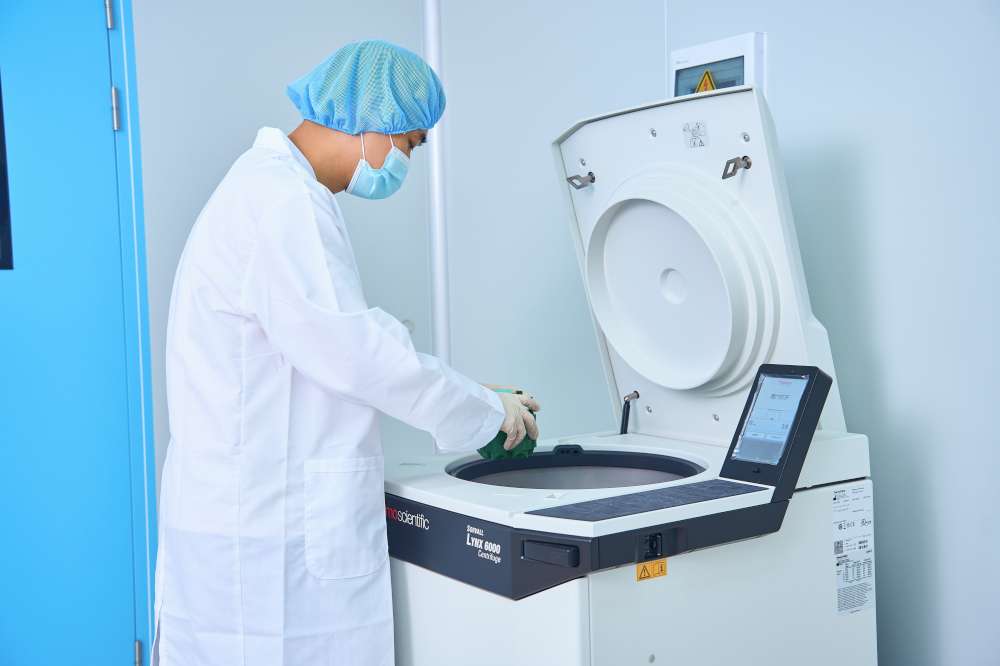
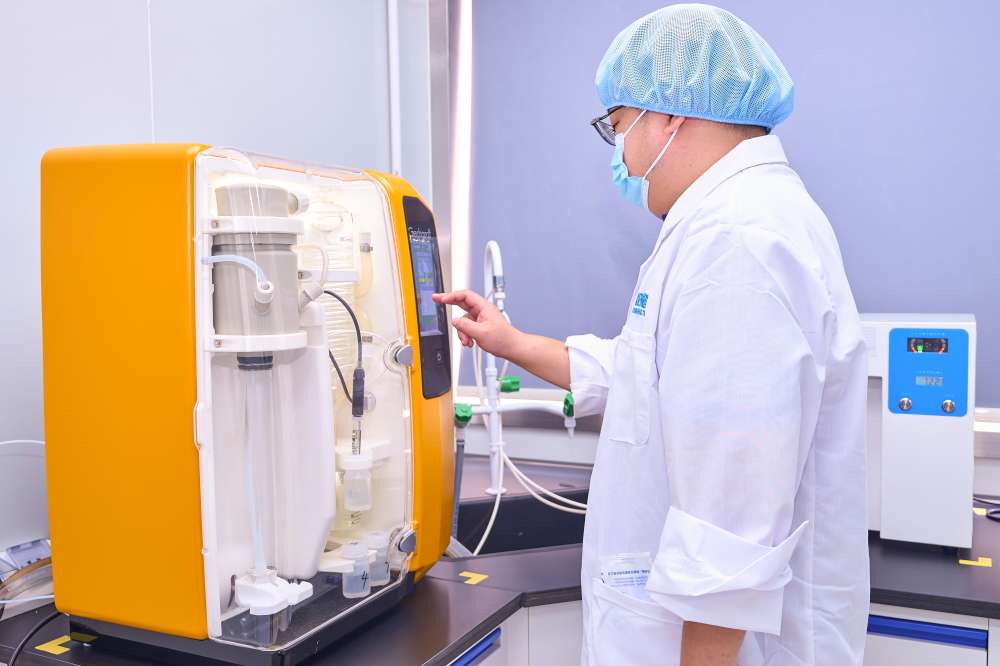
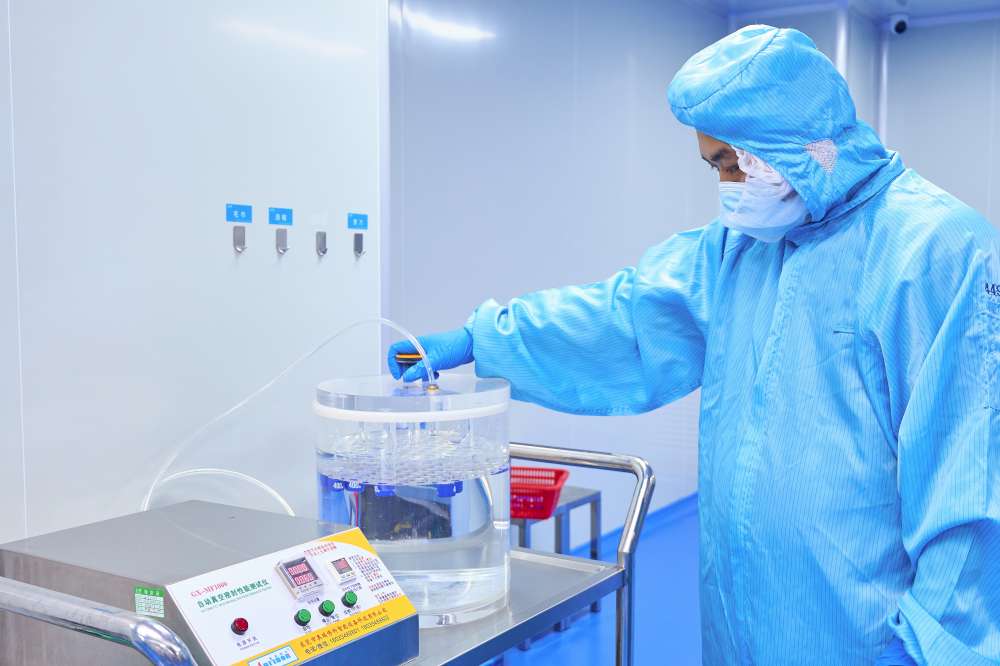
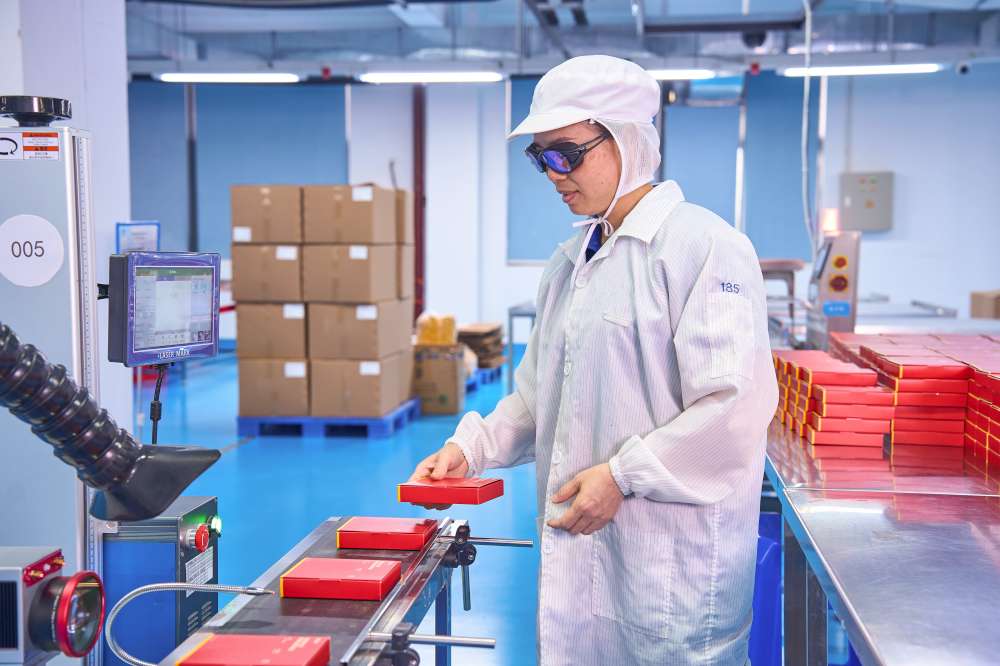
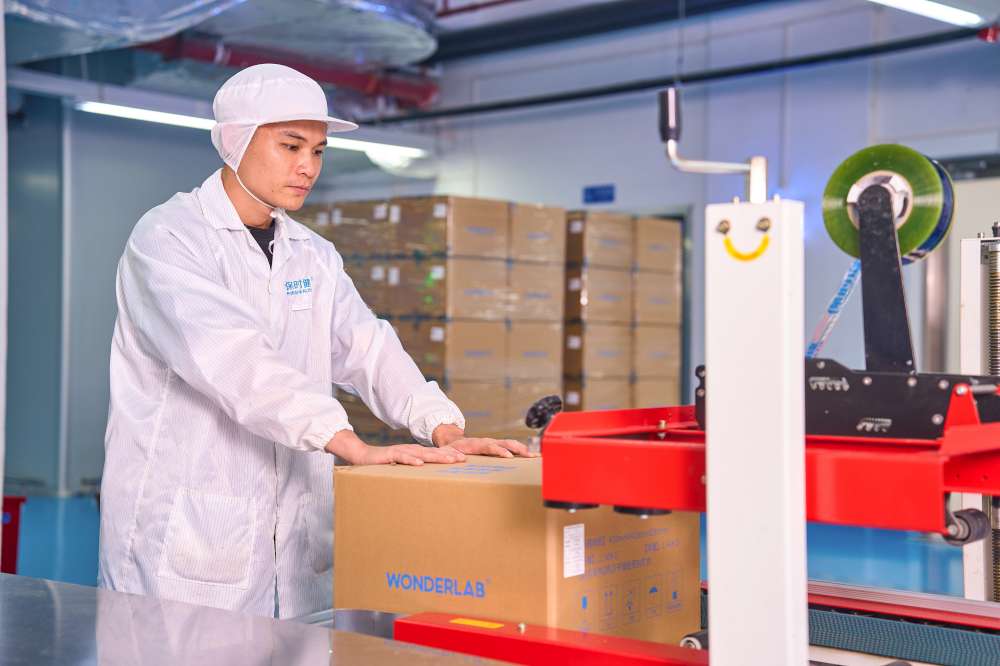
Discover how plant-derived excipients resolve formulation issues in real-world scenarios throughout Thailand and the global market.
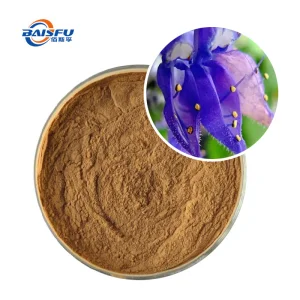
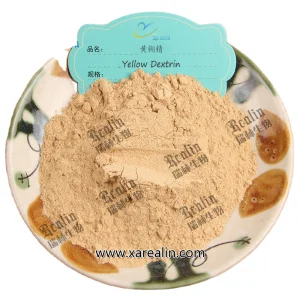
Thailand's botanical industry processes highly hygroscopic herbal extracts (e.g., *Andrographis paniculata*). By utilizing **Corn Starch Yellow Dextrin** as a binder, manufacturers prevent moisture absorption, ensuring that tablets maintain physical integrity and do not degrade on store shelves in humid climates.
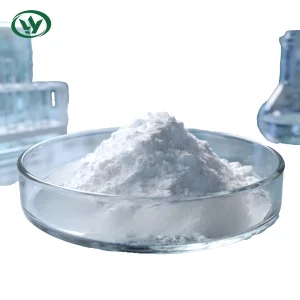
To meet the growing international demand for vegetarian/vegan alternatives, manufacturers in Thailand are replacing animal gelatin with **Pullulan Powder**. Pullulan offers unmatched oxygen-barrier properties, which prevents oxidation of sensitive active components, such as omega oils and botanical lipids.
Clean beauty manufacturers in Chiang Mai utilize **Hydroxypropyl-Beta-Cyclodextrin (HPBCD)** to encapsulate lipophilic antioxidants like Ferulic Acid and Lupeol. This technology prevents degradation from UV exposure while greatly increasing skin absorption rates.
Deep technical answers to assist formulation scientists, procurement officers, and quality assurance leads.
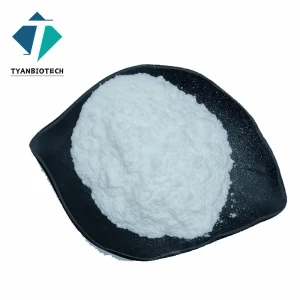
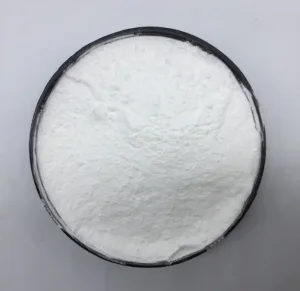
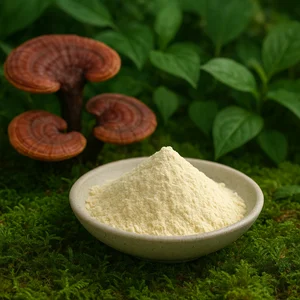
Explore our complete range of certified plant-derived active compounds and carrier excipients.
Partner with an established plant-derived excipient manufacturer offering raw ingredient sourcing, advanced quality assurance, and deep regulatory compliance across Thailand and Southeast Asia.
 Kawsana Health